
Satisfies 1 requirement
High-Quality Leather Fabric for Trendy Car Seat Upholstery
US$2.58-2.60
1,000 Meters(MOQ)

30000+ products and 8000+ suppliers results


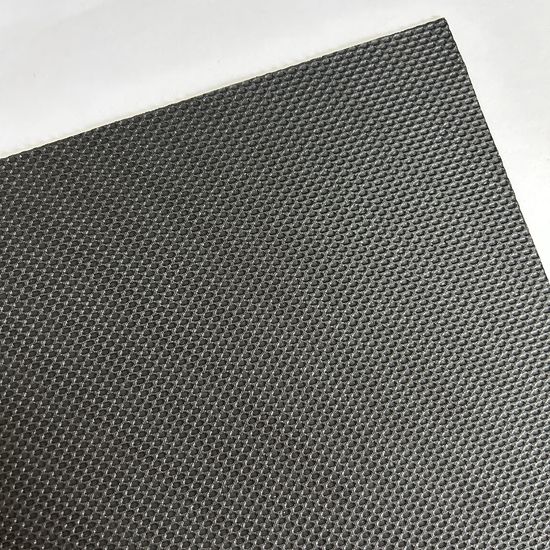


Selecting the appropriate material depends on the vehicle's end-use. PVC Leather is highly cost-effective and water-resistant, making it ideal for commercial vehicles. Microfiber Leather offers the closest feel to genuine leather with superior abrasion resistance and breathability. For high-end luxury interiors, Alcantara or Suede fabrics are preferred for their premium texture, though they require more maintenance. Always verify the Gsm (grams per square meter) to ensure the fabric thickness meets your durability requirements.
Safety is paramount in automotive sourcing. Ensure the fabric complies with FMVSS 302 (Federal Motor Vehicle Safety Standard) or ISO 3795 for flame retardancy. For European markets, REACH and OEKO-TEX Standard 100 certifications are necessary to ensure the absence of harmful chemicals. Additionally, check for VOC (Volatile Organic Compounds) emission reports to guarantee the fabric does not release toxic odors inside the vehicle cabin.
Request technical data sheets showing Martindale Rub Test results; for automotive grade, a score of ≥30,000 to 50,000 rubs is recommended. Furthermore, verify the Color Fastness to Light (UV resistance), typically requiring a Grade 4 or higher on the Grey Scale, to prevent fading under direct sunlight. Hydrolysis resistance (e.g., 3-year or 5-year ratings) is also critical for synthetic leathers to prevent peeling in humid environments.
Professional suppliers on Made-in-China.com should offer OEM/ODM services, including custom embossing patterns, perforation styles for ventilated seats, and foam backing (lamination) ranging from 2mm to 10mm. Ensure the supplier can match specific Pantone colors to maintain brand consistency across different production batches.
Always order a sample swatch book and a 1-2 meter production sample before placing a bulk order. Utilize third-party inspection services (like SGS or Intertek) to conduct a Pre-Shipment Inspection (PSI) focusing on color consistency, roll length, and defect frequency. Using Secured Trading Services on Made-in-China.com can protect your payment until the goods are verified.
Car upholstery fabric is heavy and bulky. To prevent damage, insist on hard tube rolling and double-layer plastic wrapping with a woven outer bag. For large wholesale orders, FOB (Free On Board) is often more economical as it allows you to use your own freight forwarder to manage sea freight and customs clearance, which is significantly cheaper than air freight for heavy textiles.
Wholesale prices are highly volume-dependent. If you cannot meet the standard MOQ (usually 500-1000 meters), ask the supplier for 'ready-to-ship' stock colors where the MOQ might be as low as 1 roll. For bulk contracts, negotiate a tiered pricing structure where the unit price drops by 5-10% as volume increases, and clarify if the price includes the cost of lamination or special coatings.