
Satisfies 1 requirement
Wholesale Modern Polypropylene Chiavari Chairs for Wedding Banquet Event Rental Dining Use
US$5.70-6.50
500 Pieces(MOQ)

10000+ products and 3000+ suppliers results


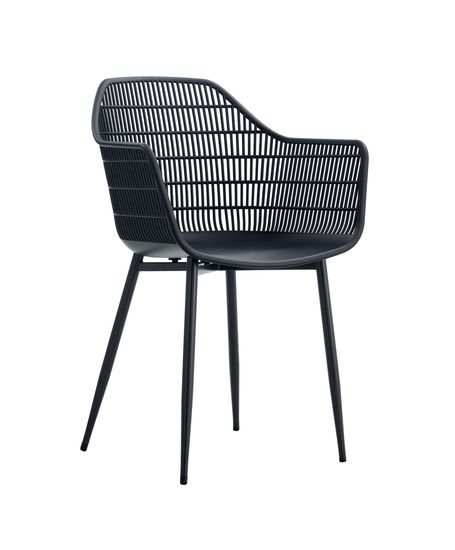


When evaluating PP chairs, prioritize Virgin Polypropylene over recycled materials to ensure superior tensile strength and color consistency. For outdoor use, ensure the material includes UV-stabilizers (UV 400 or higher) to prevent fading and brittleness. Additionally, check if the chair is Glass Fiber Reinforced (usually 15-30%), which significantly increases load-bearing capacity and structural rigidity, reducing the risk of leg splaying under heavy weight.
For the US market, chairs must meet BIFMA X5.1 standards for safety and durability. For European markets, EN 12520 (Level 2) is the benchmark for general contract use. If the chairs are intended for public spaces or hospitality, verify Fire Retardancy certifications such as CAL 117 (US) or BS 5852 (UK). Always request REACH or RoHS test reports to ensure the plastic is free from harmful phthalates and heavy metals.
Examine the injection molding finish; high-quality chairs should have no visible flash (excess plastic), sink marks, or silver streaks. Check the weight of the chair—a heavier chair often indicates higher density and better durability. For stackable designs, ensure there are integrated stacking bumpers to prevent surface scratching. Request a static load test report (typically requiring a minimum of 150kg to 200kg) and a backrest fatigue test of at least 100,000 cycles.
PP chairs are highly versatile. For Horeca (Hotel, Restaurant, Cafe) sectors, prioritize ergonomic curves and easy-to-clean surfaces. For Event Rental businesses, focus on stackability (up to 10-15 units) and lightweight properties for easy transport. If sourcing for educational environments, ensure the design is anti-tip and features rounded edges for safety. Monoblock designs (single-piece injection) are generally more durable than those requiring assembly.
Since chairs are high-volume goods, shipping 'air' is expensive. Use stackable designs to maximize container utilization (CBM). For non-stackable models, inquire about KD (Knock-Down) structures to reduce volume, though you must weigh this against increased assembly labor costs. On Made-in-China.com, you can filter for suppliers offering high-cube container loading optimization to lower your per-unit freight cost.
The primary risk is material substitution, where a supplier uses a high percentage of recycled regrind instead of virgin resin to lower costs, leading to brittle products. To mitigate this, mandate a Pre-Shipment Inspection (PSI) and perform a drop test from a height of 1 meter. Ensure your contract specifies color tolerance levels (Delta E < 1.0) to avoid mismatched batches in large orders.
Negotiate based on raw material market price fluctuations (Polypropylene resin prices). For orders exceeding 1,000 units, request a mold amortization discount or free custom color matching (Pantone). Ask for a 2-5% spare parts allowance (such as floor glides/feet) to be included at no extra cost. Always use Trade Assurance or Secure Payment methods to protect your capital until the goods pass quality inspection.
Verify the HS Code (typically 9401.71 or 9401.80) to check for Anti-Dumping Duties (ADD), which some regions apply to Chinese furniture. Ensure the supplier provides a Certificate of Origin (CO) to potentially benefit from Preferential Trade Agreements. All packaging must be ISPM 15 compliant if wooden pallets are used, though plastic chairs are often packed in heavy-duty 5-layer corrugated cartons.