
Satisfies 1 requirement
Inox Sheet SUS420J1 1.4021 20X13 Stainless Steel Plate
US$1,000.00-2,000.00
1 Ton(MOQ)

I have found results from8000+products and3000+suppliers aboutInox plate




Selecting the right grade is critical for performance. For general use and food processing, Grade 304 is the standard due to its excellent corrosion resistance. For marine environments or chemical processing, Grade 316 is required as it contains molybdenum to resist chlorides. If the application involves high-temperature structural work, consider Grade 430 or duplex steels. Always verify the chemical composition (Cr/Ni content) through a Mill Test Certificate (MTC).
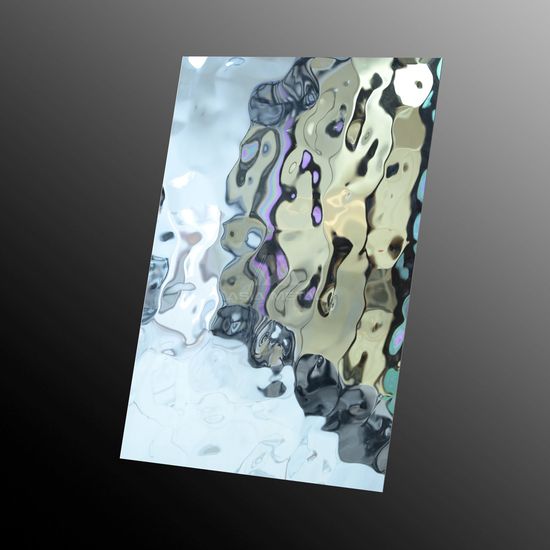
The finish affects both aesthetics and functionality. 2B (Cold Rolled) is the most common for industrial use; BA (Bright Annealed) offers a mirror-like reflection for decorative purposes; No. 4 (Brushed/Hairline) is ideal for kitchen equipment and architectural facades to hide fingerprints. Ensure the supplier provides protective PE film on polished surfaces to prevent scratches during transit and fabrication.
Buyers must ensure products meet ASTM A240/A480 (American standard) or EN 10088 (European standard). For pressure vessel applications, ASME certification is mandatory. If sourcing from China via Made-in-China.com, prioritize suppliers with ISO 9001:2015 quality management systems and ensure the plates are accompanied by a Type 3.1 inspection certificate according to EN 10204.
Stainless steel plates often have a 'theoretical weight' vs. 'actual weight' discrepancy. Specify 'Real Thickness' rather than 'Nominal Thickness' in contracts. Use a digital micrometer for spot checks. Standard tolerances should align with ASTM A480, typically allowing for a variance of +/- 0.2mm to 0.5mm depending on the plate thickness.
The biggest risks include material substitution (e.g., 201 grade passed off as 304) and surface damage during sea freight. To mitigate this, use Third-Party Inspection (TPI) services like SGS or Intertek before the balance payment. Ensure the contract specifies seaworthy packaging, including wooden pallets, waterproof paper, and steel strapping.
Steel prices fluctuate daily based on LME nickel prices. It is advisable to lock in prices with a Proforma Invoice (PI) valid for 3-5 days. For new suppliers on Made-in-China.com, utilize Secured Trading Services or Letter of Credit (L/C at sight) to ensure funds are only released upon proof of shipment and quality compliance.
Inox plates are heavy and dense; 20ft containers are usually more cost-effective than 40ft containers due to weight limits (approx. 25-28 tons per 20ft). Confirm the HS Code (typically 7219) with your customs broker to check for anti-dumping duties or safeguard tariffs that may apply to Chinese steel in your specific country.
Always verify the supplier's Business License and Export Qualification. Conduct a video call to inspect the factory or warehouse. When sourcing through Made-in-China.com, look for 'Audited Suppliers' who have undergone on-site verification by independent agencies to ensure they are legitimate manufacturers rather than small trading intermediaries.