
Satisfies 1 requirement
ASTM Grade 430, 301, 304, 316L, 201, 202, 410, 304 Cold Roll Stainless Steel Coil/Scrap
US$1,380.00-2,800.00
1 Ton(MOQ)

I have found results from20000+products and9000+suppliers aboutStainless steel scrap 304


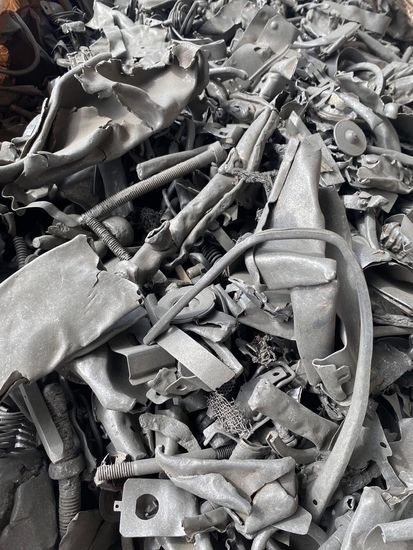


Buyers must ensure the scrap meets the ASTM A240 standard for 304 series. The critical chemical composition includes a minimum of 18% Chromium and 8% Nickel. It is essential to verify that the Carbon content is below 0.08% to prevent sensitization. For B2B procurement, always request a Spectrometer Analysis Report or a Mill Test Certificate (MTC) from the supplier to confirm the grade is not substituted with lower-nickel 200-series stainless steel.
Stainless steel scrap 304 is typically traded as solids (plates, pipes, sheets) or turnings (borings). Solids generally command a higher price due to lower melting loss. You must specify the maximum allowable attachment level, ensuring the scrap is free from excessive oil, grease, dirt, or non-metallic attachments (like plastic coatings or rubber). For turnings, the moisture and oil content should not exceed 1-3% to ensure economic feasibility during the smelting process.
Suppliers should ideally hold ISO 9001 for quality management and ISO 14001 for environmental management. Since scrap is often classified as regulated waste or secondary raw material, ensure the supplier provides a Certificate of Origin and a Pre-shipment Inspection Certificate (such as CCIC for China-bound cargo). Compliance with the Basel Convention is mandatory to ensure the scrap is not hazardous and is being legally exported for recycling.
The price of 304 scrap is heavily indexed to the LME (London Metal Exchange) Nickel prices. Buyers should calculate the yield recovery rate; for example, clean solids typically offer a 98-99% recovery, whereas oily turnings may only yield 90-92%. Factor in the Total Cost of Ownership (TCO), including smelting losses, impurities penalties, and logistics costs, rather than just the initial per-ton quote.
The primary risk is material substitution, where 201 or 202 grade scrap (lower nickel) is mixed with 304. Another significant risk is weight discrepancy caused by moisture or hidden heavy debris (like concrete or lead) inside bundles. To mitigate this, use reputable third-party inspection services like SGS or Intertek to conduct loading supervision and weight verification at the port of departure.
Negotiate based on a formula-based pricing model linked to the LME Nickel spot price plus or minus a fixed premium/discount. This protects both parties from market volatility. For new suppliers, start with a trial order of 1-2 containers and insist on Letter of Credit (L/C) at sight or Escrow payments to ensure funds are only released upon verification of the shipping documents and quality reports.
Scrap is usually shipped in 20ft heavy-duty containers to maximize weight capacity (up to 25-28 tons per container). Ensure the supplier uses reinforced container flooring or liners to prevent damage to the vessel's equipment. When sourcing via Made-in-China.com, prioritize Audited Suppliers who have experience with international shipping terms like CFR (Cost and Freight) or CIF (Cost, Insurance, and Freight) to simplify the import process.
Many countries have strict import quotas or bans on solid waste. You must verify the HS Code (typically 7204.2100) against your local customs regulations. Ensure all documentation clearly labels the material as 'Secondary Raw Material' rather than 'Waste' to avoid customs delays or environmental fines. Always check for anti-dumping duties that might apply to processed scrap products from specific regions.