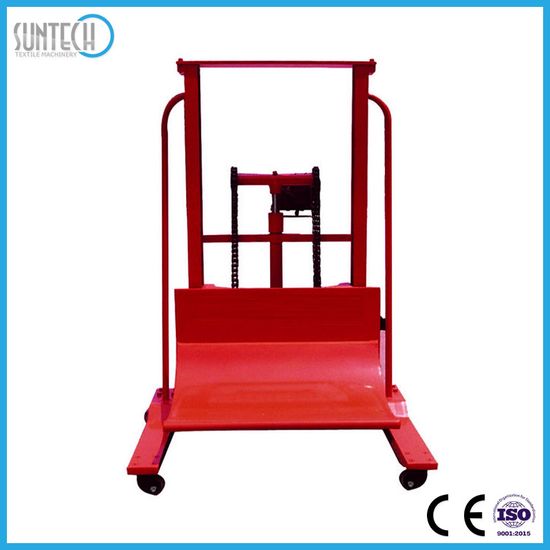
Portable 1000kg Cotton / Fabric Roll Trolley for Transport Roll Material

Customized 1 Ton Electric Fabric Roll Doffing Trolley for Warp Beam

Fabric Roll Lifting Supplier 1000kg Load Capacity Electric Fabric Roll Trolley for Weaving Machine

I have found results from10000+products and3000+suppliers aboutWholesale fabric roll trolley


When sourcing fabric roll trolleys, prioritize load capacity and structural integrity. Ensure the frame is constructed from heavy-duty reinforced steel or high-grade aluminum to prevent bending under the weight of multiple textile rolls. The cradling mechanism or shelving distance should be adjustable to accommodate different roll diameters (typically ranging from 20cm to 60cm). Additionally, look for anti-static powder coating to prevent lint buildup and protect sensitive synthetic fabrics from sparks or static cling.
Mobility is determined by the caster quality. Specify polyurethane (PU) or nylon wheels with a diameter of at least 5-6 inches to ensure smooth movement over uneven floors. Safety is paramount; therefore, the trolley must include dual-pedal braking systems on at least two wheels and ergonomic handles positioned at a height of 90cm to 110cm to reduce worker strain. For multi-level storage, verify the presence of safety chains or locking bars to prevent rolls from sliding off during transit.
To ensure long-term reliability, look for suppliers who adhere to ISO 9001:2015 for quality management. If the trolleys are used in automated environments, check for CE marking compliance. Furthermore, request weld penetration test reports and salt spray test results (especially if the warehouse is in a humid or coastal area) to guarantee the corrosion resistance of the metal finish. For European markets, ensure the materials used comply with REACH standards regarding hazardous substances in coatings.
Yes, customization is a key advantage when sourcing from professional manufacturers on Made-in-China.com. For delicate fabrics like silk, request PVC-coated or rubber-padded contact points to prevent snagging. For heavy denim or industrial textiles, specify double-row ball bearing casters and thicker gauge steel tubing. Most top-tier suppliers offer OEM/ODM services where dimensions can be adjusted by ±20% to fit specific warehouse aisle widths.
The primary risk in shipping heavy metal goods is structural deformation or oxidation. Require the supplier to use multi-layer bubble wrap and reinforced wooden crates rather than just cardboard. Implement a Third-Party Inspection (TPI) before final payment to verify weld quality and load-bearing capacity. Using Made-in-China.com's Secured Trading Service can provide an extra layer of protection, ensuring funds are only released when the shipping documents are verified.
Focus on the Total Cost of Ownership (TCO) rather than just the unit price. Negotiate for spare parts (such as extra casters and bolts) to be included at no cost, which reduces long-term maintenance expenses. For orders exceeding 50 units, aim for a 15-20% volume discount. Discuss Incoterms clearly; while FOB (Free On Board) is standard, asking for a CIF (Cost, Insurance, and Freight) quote can sometimes reveal if the supplier has better contracted shipping rates than your local forwarder.
Fabric roll trolleys are 'volumetric' cargo. To save on shipping costs, request Knock-Down (KD) packaging designs that allow the trolleys to be shipped flat and assembled on-site. Ensure the supplier provides a detailed assembly manual or video. When shipping to regions with strict import duties, verify the HS Code (typically 8716.80) to accurately calculate customs taxes and avoid delays at the port of entry.