Wheel wash systems price manufacturers
I have found results from400+products and200+suppliers aboutWheel wash systems price
High Performance and Quick Wash Speed Auto Truck Wheel Wash System for Construction Sites
US$24,500.00
1 Set(MOQ)
Fully Automatic Heavy Duty Truvk Wheel Wash Systems
US$24,500.00
1 Set(MOQ)
High Quality Under Body Truck Wheel Wash Systems Products
US$24,500.00
1 Set(MOQ)
Auto Truck Wheel Wash System Use at Construction Site, Quarries and Mines
US$24,500.00
1 Set(MOQ)
New Truck Wheel Wash Systems for Sale, High Quality with DIP Galvanized Steel Material
US$24,500.00
1 Set(MOQ)
High Quality Full Auto Mining Truck Wheel Wash System
US$23,500.00
1 Set(MOQ)
Dcx-100t Grating Type Drive Through Truck Wheel Wash System
US$23,500.00
1 Set(MOQ)
Full Automatic Quarry and Mining Wheel Wash Systems with Water Reuse System
US$23,500.00
1 Set(MOQ)
One of The Finest Wheel Wash Systems in The Heavy Industry
US$23,500.00
1 Set(MOQ)
Portable Wheel Wash Systems for Heavy Duty Vehicle Wheel Cleaning
US$23,500.00
1 Set(MOQ)
Truck Wheel Washing Systems on Construction Sites Topwell Dcx-100t
US$23,500.00
1 Set(MOQ)
Chassis Wheel Hub Side Spray Cleaning Car Wash System
US$10,156.00-12,000.00
1 Piece(MOQ)
360° High Pressure Car Wash System with Chassis Wheel Cleaning
US$11,611.00
1 Piece(MOQ)
6 Fan Brushless Car Washing System with Chassis Wheel Hub Cleaning
US$10,156.00-12,000.00
1 Piece(MOQ)
Plastic Fan Car Wash System with Chassis Wheel Hub Cleaning
US$10,156.00-12,000.00
1 Piece(MOQ)
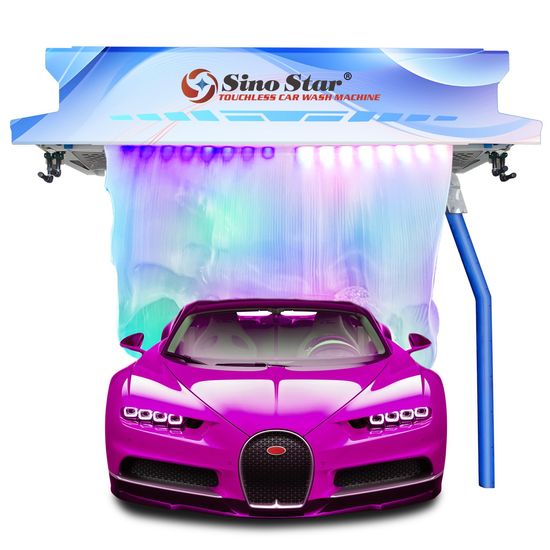
Automatic Touchless High Pressure Car Wash System 1
US$10,156.00-12,000.00
1 Piece(MOQ)
Sample AvailableHigh Pressure Washer Automatic Car Wash System Commercial Use
US$10,156.00-12,000.00
1 Piece(MOQ)
Sourcing guidance for Wheel Wash Systems Price
What are the key technical specifications to consider when evaluating a Wheel Wash System?
When sourcing a wheel wash system, prioritize heavy-duty galvanized steel construction to prevent corrosion from constant water exposure. Key metrics include pump flow rate (typically 500-1000 GPM) for effective mud removal and nozzle pressure (3-4 bar). Ensure the system features automatic sensor activation (photoelectric or ultrasonic) to reduce water waste and labor costs. For high-traffic sites, look for drive-through modular designs that can handle axle loads of 15-20 tons or more.
How do I ensure the system meets environmental and site compliance standards?
Compliance is critical to avoid heavy fines. Verify that the system includes a closed-loop water recycling unit with a sedimentation tank or lamella clarifier to meet local wastewater discharge regulations. The system should facilitate automatic sludge removal via a conveyor or scraper. Ensure the equipment aligns with ISO 9001 quality management and CE certification for electrical components to guarantee operational safety on industrial sites.
What factors influence the total cost of ownership (TCO) beyond the initial purchase price?
The initial price is only one component. Evaluate the energy consumption of the pumps, the cost of flocculants (chemicals used for water clearing), and the frequency of nozzle replacement. Systems with self-cleaning nozzles and low-maintenance submersible pumps offer better long-term economic feasibility. Additionally, consider the civil work requirements; surface-mounted systems are cheaper to install than those requiring deep pits and extensive concrete foundations.
What usage scenarios determine the choice between a 'Drive-Through' and a 'Roller' type system?
Drive-through (Grating) systems are ideal for high-volume sites like quarries and large construction projects where speed is essential. Roller-type systems are better suited for extremely sticky clay environments, as they rotate the wheels to ensure deep tread cleaning, though they have a slower throughput. Choose based on your daily vehicle count and the specific soil type at your location.
Cross-Border Procurement & Risk Management for Heavy Machinery
What are the primary risks when importing heavy wheel wash systems from overseas?
The main risks include shipping damage to oversized components and technical incompatibility with local power grids. To mitigate this, require the supplier to provide seaworthy packaging (steel framing and moisture-proof wrapping). Always specify your local voltage and frequency (e.g., 480V/60Hz vs 380V/50Hz) in the contract to ensure the control cabinet and pumps are compatible upon arrival.
How should I negotiate with suppliers to ensure quality and transaction security?
Utilize secure payment terms such as Letters of Credit (L/C) or Escrow services provided by reputable platforms like Made-in-China.com. Negotiate a retention fund (typically 5-10%) to be paid only after successful installation and commissioning. Request a pre-shipment inspection (PSI) by a third party like SGS or Intertek to verify that the steel thickness and pump brands match the proforma invoice.
What logistics and shipping strategies are best for this type of equipment?
Wheel wash systems are bulky; therefore, Flat Rack containers or Break Bulk shipping may be necessary if the unit is not modular. To save costs, ask the supplier if the system can be disassembled to fit into standard 40HC containers. Ensure the Incoterms are clearly defined—CIF (Cost, Insurance, and Freight) is often easier for first-time buyers, but FOB (Free On Board) gives you more control over the shipping timeline and local port fees.
What after-sales support should I demand from a cross-border supplier?
Since on-site visits are difficult, insist on comprehensive video installation guides and 24/7 remote technical support. Ensure the supplier includes a 'wear-and-tear' spare parts kit (extra nozzles, sensors, and seals) for the first two years of operation. Confirm that the warranty covers the main structure for at least 5 years and electrical components for 1-2 years.