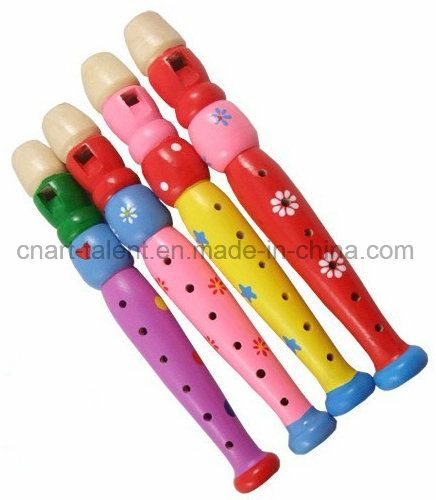
Kids Voice Recorder Toy Sound Module Musical Voice Recorder

Heart Shape Voice Recorder Musical Heart Recording Toy

LED Mini Music Box Sound Recorderwith LED Toy Recorder Mini Sound Recorder

I have found results from2000+products and900+suppliers aboutRecorders musical instruments companies


For the educational and beginner market, prioritize ABS resin or high-grade plastics, as they are durable, moisture-resistant, and easy to sanitize. For the professional or enthusiast market, focus on hardwoods such as Maple, Pearwood, Boxwood, or Grenadilla. Ensure wooden instruments are naturally seasoned to prevent cracking and offer superior tonal resonance and harmonic complexity.
You must distinguish between the Baroque (English) fingering system and the German fingering system. The Baroque system is the global standard for professional and educational use, while the German system is sometimes requested for specific primary school markets. Ensure the instruments are tuned to A=440Hz (standard) or A=415Hz (baroque pitch) depending on the buyer's requirement. All plastic models should be BPA-free and comply with EN71 or ASTM F963 safety standards for children's products.
Request a lab report or video demonstration focusing on intonation accuracy across two octaves. Key indicators of quality include a cleanly cut labium (windway) and precisely undercut finger holes, which facilitate easier high-note production. For bulk orders, ensure the tenon joints are fitted with high-quality cork or synthetic rings to maintain an airtight seal, which is critical for sound stability.
Most top-tier manufacturers on Made-in-China.com offer laser engraving for logos on the headjoint and custom-designed carrying bags (cotton, canvas, or leatherette). For large-scale educational tenders, you can request custom colors for plastic recorders, provided the MOQ (usually 1,000+ units) is met. Ensure the supplier can provide branded cleaning rods and fingering charts as part of the retail packaging.
Certain woods like Rosewood (Dalbergia) are protected under CITES Appendix II. If sourcing wooden recorders, verify if the species requires export permits. To avoid customs seizures, it is safer to source Maple or Boxwood, or ensure the supplier provides a Legal Harvest Certificate. Always confirm the scientific name of the wood before shipping.
Engage a third-party inspector to perform a random sampling (AQL standard). The inspection should include a playability test to check for 'clogging' issues in the windway and a visual check for burrs in plastic molds. For wooden instruments, a moisture content test (ideally 8-12%) is vital to ensure the wood does not warp or crack during transit through different climate zones.
Recorders are lightweight but sensitive to temperature and humidity fluctuations. For bulk sea freight, use desiccant silica gel packs inside the master cartons. For high-end wooden recorders, air freight is recommended to minimize the time spent in uncontrolled environments. Ensure the master cartons are double-walled and instruments are packed in individual padded cases to prevent impact damage.
Prioritize Audited Suppliers who have undergone on-site verification by third-party agencies like SGS or Bureau Veritas. Use the Secured Trading Service to ensure that payment is only released to the supplier after you have confirmed receipt and inspected the quality of the musical instruments. Always request a sample before placing a full container load to verify the 'hand-feel' and tonal quality.