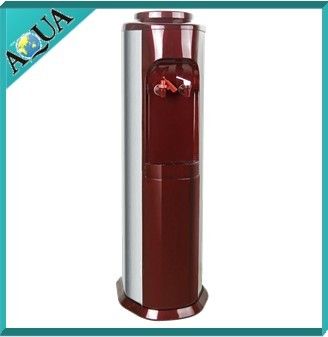
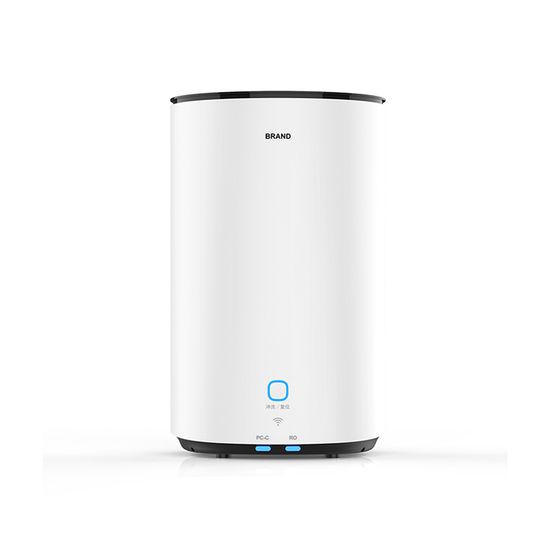
Oxygen water dispenser factory manufacturers
I have found results from400+products and200+suppliers aboutOxygen water dispenser factory
Sourcing guidance for Oxygen Water Dispenser Factory
What are the key technical specifications to evaluate when choosing an Oxygen Water Dispenser Factory?
When sourcing from an oxygen water dispenser factory, you must prioritize the Dissolved Oxygen (DO) levels, which should ideally reach 30-60mg/L for high-end models. Ensure the factory utilizes Pressure Swing Adsorption (PSA) technology or high-pressure injection systems rather than simple aeration. Additionally, verify the filtration stages (e.g., RO membrane, activated carbon) and the material grade of the water tank, which must be food-grade SUS304 or SUS316 stainless steel to prevent oxidation and contamination.
Which international compliance standards are mandatory for oxygen water dispensers?
As these devices involve both electrical components and water consumption, they must meet CE, RoHS, and FCC certifications for global markets. For the North American market, UL or ETL certification is critical, while FDA or NSF/ANSI 61 standards are necessary to ensure all components in contact with water are non-toxic. Always request valid test reports from the factory rather than just certificate copies to ensure the specific model you are buying is covered.
How can I verify the stability and shelf-life of the oxygenated water produced?
The primary challenge with oxygenated water is the rapid escape of gas. A professional factory should provide data on oxygen retention rates; high-quality dispensers use nanobubble technology to keep oxygen dissolved for at least 2-4 hours in an open container. Ask the factory for third-party lab verification of DO levels at 0, 30, and 60-minute intervals after dispensing to ensure the product delivers its functional health benefits to the end-user.
What maintenance and after-sales support should a reliable factory provide?
A reputable factory should offer a 1-2 year warranty on the oxygen generator module, which is the most expensive component. They must provide a detailed maintenance schedule for filter replacements (typically every 6-12 months) and offer replacement parts like valves and sensors. For B2B buyers, ensure the factory provides technical training videos or online troubleshooting support to assist your local service teams.
Cross-Border Procurement Risks and Strategies for Oxygen Water Dispensers
How can I mitigate the risk of receiving defective high-tech components in bulk orders?
Since oxygen dispensers contain sensitive oxygen concentrators and pumps, you should implement a Pre-Shipment Inspection (PSI). Hire a third-party agency to conduct a 100% function test on a randomized sample (AQL 1.5/2.5). Ensure the inspector checks the oxygen concentration output and performs a leakage test under high pressure. Using Made-in-China.com's secured payment services can also provide a safety net if the goods do not meet the agreed-upon technical specifications.
What are the best practices for negotiating with Chinese factories for customized (OEM) orders?
When negotiating, focus on the Total Cost of Ownership (TCO) rather than just the unit price. Request a breakdown of component costs to ensure they aren't using sub-par pumps to lower the price. For OEM branding, clarify the MOQ for customized housing and UI software (usually 100-500 units). Aim for a 30% deposit and 70% balance payment after a successful inspection report to maintain leverage over quality control.
What shipping precautions are necessary for oxygen water dispensers?
These units are heavy and contain sensitive electronics. Insist on seaworthy packaging, including double-walled corrugated boxes, reinforced foam corners, and palletization for bulk shipments. Since some units may contain small compressors, ensure the factory provides a Non-Dangerous Goods Declaration and the necessary MSDS (Material Safety Data Sheet) to avoid customs delays. For shipping to the US or Europe, choose DDP (Delivered Duty Paid) terms if you want the supplier to handle all import duties and local logistics.