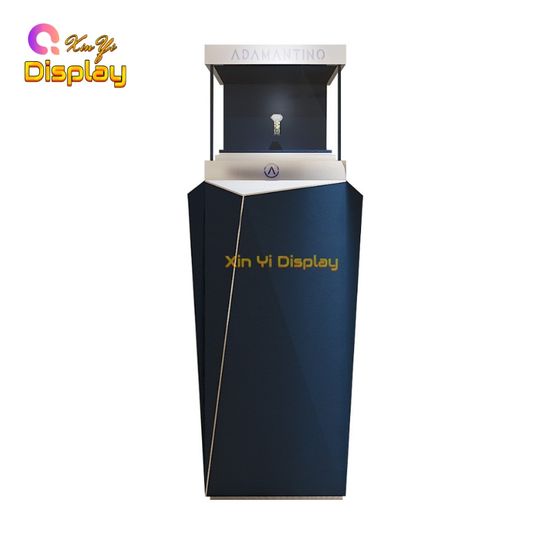
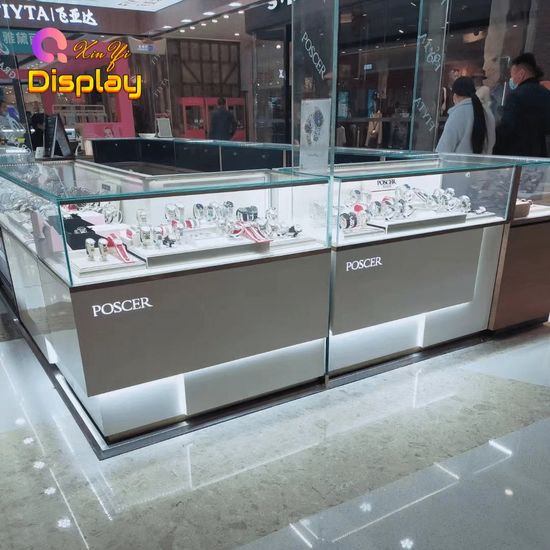
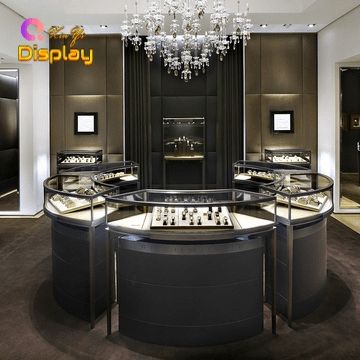
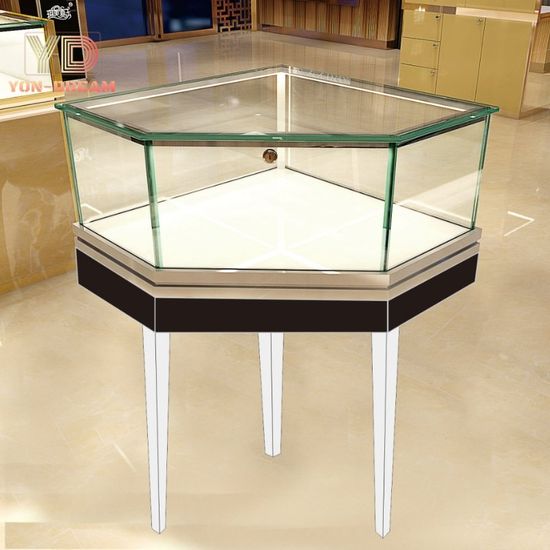
15 Square Meter Jewelry Display Kiosk

Jewelry Showroom Display Kiosk

Jewelry Store Display Furniture Kiosk

Shopping Mall Jewelry Showroom Display Kiosk

Jewelry Display Kiosk Gem Display Kiosk

Shopping Mall High End Jewelry Showroom Display Kiosk

I have found results from2000+products and600+suppliers aboutJewelry display kiosk


When sourcing a jewelry display kiosk, you must prioritize high-transparency tempered glass (preferably 8mm-12mm) to ensure both security and visual clarity. The lighting system is critical; look for LED strip lights with a High Color Rendering Index (CRI >90) to enhance the brilliance of gemstones and metals. Additionally, the frame should be constructed from 304 stainless steel or high-density MDF with a baking paint finish to ensure structural durability and a premium aesthetic.
For global markets, ensure the electrical components (LEDs, drivers, and sockets) carry CE, UL, or SAA certifications depending on your target region. The glass must meet safety tempered glass standards (EN 12150-1 or local equivalents) to prevent injury in case of breakage. If the kiosk includes electronic locks, verify they have emergency override functions and comply with local fire safety regulations for mall installations.
You should request modular designs that allow for easy assembly and reconfiguration. Discuss security features such as hidden storage cabinets with keyed-alike or smart electronic locks. Furthermore, ensure the supplier can provide 3D CAD renderings to verify that the dimensions and branding (logo integration) align with your specific mall lease requirements before production begins.
Inquire about the surface treatment process; a high-quality electroplated stainless steel finish or multi-layer baking paint is more resistant to scratches and fingerprints. Ask for the lifespan rating of the LED drivers (ideally >50,000 hours) and ensure the design allows for easy bulb replacement without dismantling the entire glass structure. Maintenance should be minimal, requiring only standard glass cleaner and soft microfiber cloths.
The biggest risk is structural damage or glass breakage during transit. To mitigate this, insist on vacuum-sealed wooden crate packaging with shock-absorbing foam corners. It is highly recommended to purchase Marine Cargo Insurance and use a shipping method that minimizes transshipment handling. Always verify if the supplier provides replacement glass panels in the initial shipment as a contingency.
Utilize the Secured Trading Service offered by Made-in-China.com to protect your payment until the goods are shipped. Negotiate a payment structure of 30% deposit and 70% balance after a successful pre-shipment inspection. You should also request a Third-Party Factory Audit report to confirm the supplier's manufacturing capacity and quality control history.
Due to the high volume and weight, Sea Freight (LCL or FCL) is the most economical method. For U.S. or EU buyers, consider DDP (Delivered Duty Paid) terms if you want the supplier to handle customs clearance and local taxes. Ensure the supplier provides a detailed packing list and HS Code (typically 9403.20 or 9403.60) to avoid delays at customs. For mall deliveries, confirm if the carrier provides lift-gate services as kiosks are heavy and difficult to unload.
Request a live video inspection during the final assembly stage to check the alignment of joints and the functionality of the lighting. Ask the supplier to provide high-definition photos of the internal wiring and the bottom of the kiosk to ensure structural integrity. You can also hire independent inspection agencies (like SGS or Intertek) to perform a professional quality check before the balance payment is made.