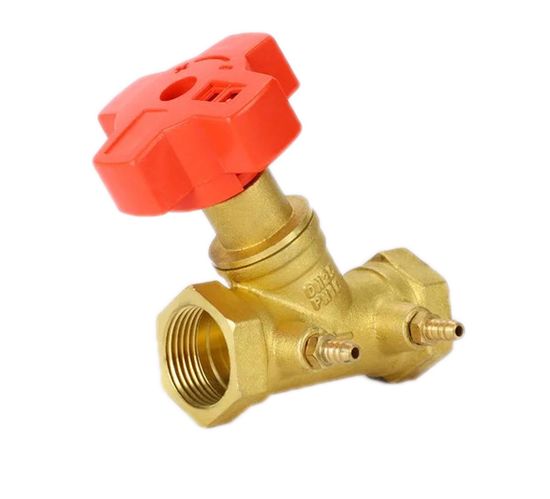
Brass Gas Needle Valve for Stove Burner Use

Stove Burner Valve Brass Needle Valves 1/4‘ ’ for Gas Copper Pipe

Cane Valve Burner Gas Heater High Pressure Control Valve

I have found results from30000+products and10000+suppliers aboutGas burner brass valve


Buyers should prioritize CW617N or HPb59-1 brass alloys, which offer excellent forgeability and corrosion resistance. Ensure the valve body is hot-forged rather than cast to eliminate porosity and potential gas leaks. For high-temperature applications, the internal seals should be made of Viton (FKM) or NBR (Nitrile) to maintain a gas-tight seal under thermal stress.
Compliance is non-negotiable for safety components. For the European market, look for CE marking (EN 331 or EN 161). For North America, CSA or UL certification is required. Additionally, ensure the supplier adheres to ISO 9001:2015 for quality management and that the products meet RoHS standards to ensure the lead content in the brass is within legal limits for specific regions.
Request a 100% airtightness test report from the supplier. A professional manufacturer should perform high-pressure and low-pressure leak tests on every unit. You should also verify the rated working pressure (PN) and temperature range to ensure they match your specific gas type (LPG, Natural Gas, or Butane) and burner BTU output.
Most professional suppliers on Made-in-China.com offer OEM/ODM services, including custom thread types (NPT, BSP, or G), specific handle colors/materials, and laser-engraved branding. For industrial burners, you can also request specific orifice sizes to precisely control gas flow rates.
The biggest risk is material substitution, where suppliers use low-grade recycled brass with high lead or impurities, leading to brittleness. To mitigate this, use third-party inspection services (like SGS or Intertek) to conduct a spectrometer metal analysis before the final balance payment is made.
Brass is a commodity; therefore, pricing is often tied to the LME (London Metal Exchange) copper index. Negotiate a formula-based pricing model for long-term contracts. For MOQs, while standard items may require 1,000–3,000 pieces, you can often negotiate a lower trial MOQ by agreeing to use the supplier's standard handle design.
Utilize Secured Trading Services provided by platforms like Made-in-China.com to ensure your payment is held in escrow until shipping documents are verified. For large orders, a 30% deposit and 70% against the Bill of Lading (B/L) is standard, but always ensure an inspection clause is included in the Proforma Invoice.
Brass is heavy and susceptible to surface oxidation during sea transit. Ensure the supplier uses VCI (Volatile Corrosion Inhibitor) bags and robust double-corrugated export cartons on fumigated pallets. Given the weight-to-volume ratio, Sea Freight (FCL or LCL) is the most economical method, but ensure you account for Anti-Dumping Duties that may apply to brass fittings in certain countries.