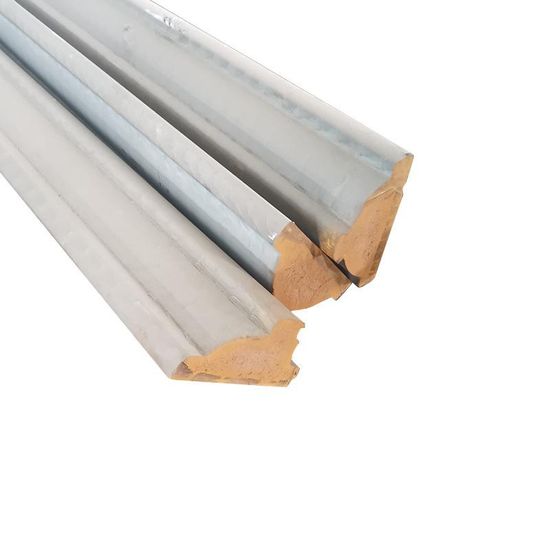
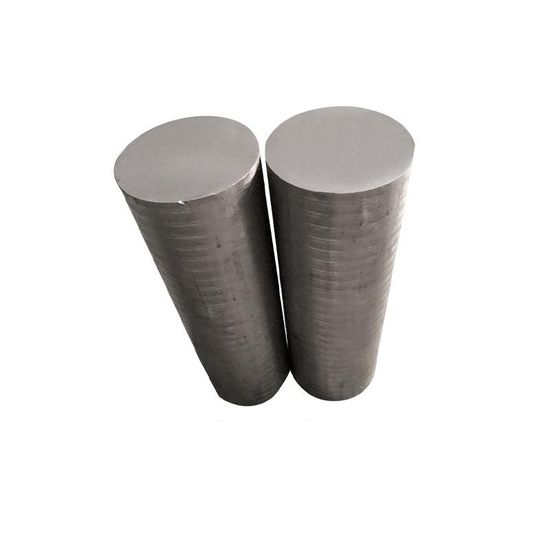
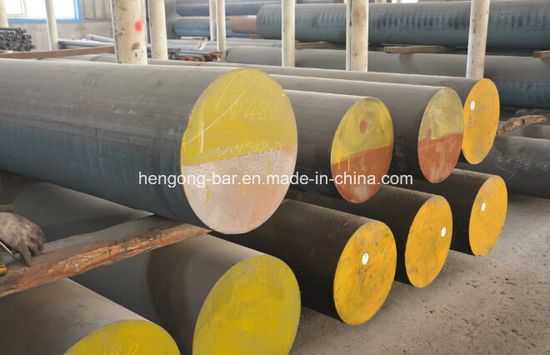
Exhibiting High Purity Good Ductility and Excellent Conductivity Pure Iron Bar

with Good Ductility High Conductivity and High Purity Pure Iron Bar

Low Phosphorus Low Carbon High Purity Electrolytic Pure Iron Bars

I have found results from10000+products and6000+suppliers aboutDuctile cast iron bar


Buyers must prioritize the grade of the iron, typically categorized by standards such as ASTM A536 (e.g., 65-45-12 or 80-55-06) or ISO 1083. Key metrics include tensile strength, yield strength, and elongation percentage. For high-stress applications, ensure the nodularity is above 80% to guarantee the material's ability to resist cracking and fatigue. Additionally, verify the dimensional tolerance (usually ISO h9 to h11 for cold-finished bars) to minimize machining allowances.
Request Non-Destructive Testing (NDT) reports, specifically Ultrasonic Testing (UT), to detect internal shrinkage, porosity, or slag inclusions. A Material Test Report (MTR) or Mill Test Certificate (MTC) to EN 10204 3.1 is mandatory to confirm the chemical composition (Carbon, Silicon, Magnesium levels) and mechanical properties. For critical components, ask for metallographic analysis photos to confirm a consistent ferritic or pearlitic matrix.
Continuous casting is generally preferred for bars as it results in a finer grain structure, superior pressure tightness, and better machinability compared to sand casting. This process eliminates common sand-casting defects like gas holes. For B2B buyers, sourcing continuously cast bars often leads to lower tool wear during CNC processing and reduced scrap rates, providing better long-term economic feasibility.
Ensure the supplier adheres to ISO 9001:2015 for quality management. Depending on the end-use, specific certifications may be required, such as PED (Pressure Equipment Directive) for valves and pressure vessels, or ABS/DNV/LR classifications for marine engineering applications. Always confirm that the products meet REACH and RoHS requirements if they are being exported to the EU market.
Ductile iron is highly susceptible to oxidation. Ensure the contract specifies anti-rust oil coating and VCI (Volatile Corrosion Inhibitor) paper wrapping. For long-haul shipping, bars should be packed in seaworthy wooden crates (IPPC heat-treated) with steel strapping to prevent shifting, which can cause surface nicks or bending.
Prices for ductile iron are often tied to raw material indices (pig iron and scrap steel). It is advisable to negotiate a formula-based pricing model for long-term contracts. To ensure timely delivery, verify the supplier's monthly production capacity and request a production schedule before placing a bulk order. Using Made-in-China.com's Secured Trading services can provide an extra layer of payment protection.
Always conduct a factory audit or hire a third-party inspector (like SGS or Bureau Veritas) to perform a Pre-Shipment Inspection (PSI). Never transfer full payment upfront; a standard 30% deposit and 70% against the Bill of Lading (B/L) or a Letter of Credit (L/C) is recommended for new high-value partnerships to mitigate financial risk.
Check for Anti-Dumping Duties (ADD) or Countervailing Duties (CVD) specific to cast iron products in your country. For example, the US and EU have specific trade barriers on certain Chinese steel and iron categories. Consult with a licensed customs broker to determine the correct HS Code (typically 7301 or 7228) to calculate accurate landed costs.