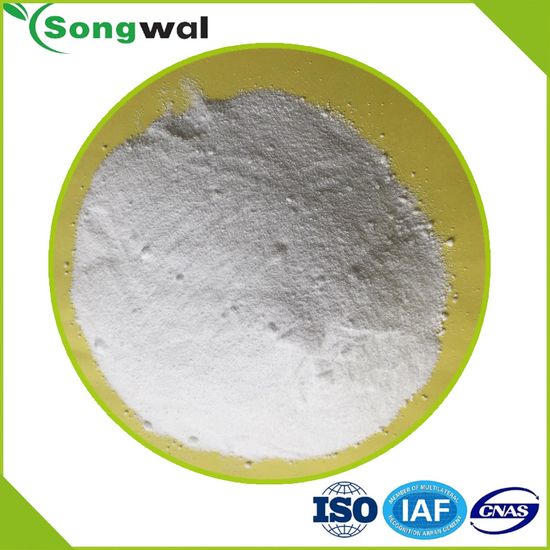
X-Humate Brand Animal Source Amino Acid

50% Min Amino Acid Powder

X-Humate Amino Acid 50% Animal Source

Super Amino Acid 80% Soya Source

I have found results from400+products and200+suppliers aboutAnimal amino acid


Animal amino acids are primarily used as nutritional additives in animal feed (poultry, livestock, and aquaculture) to promote growth, enhance immunity, and improve feed conversion ratios. They are also widely utilized in the fertilizer industry as organic nitrogen sources and chelated micronutrients to improve soil health and crop yield. In some cases, high-purity grades are used in pharmaceutical and cosmetic formulations for their moisturizing and reparative properties.
Buyers must focus on the purity level (typically 80%, 90%, or 99%), the source of raw materials (e.g., silk fibroin, animal hair, or enzymatic hydrolysis of protein), and the solubility in water. For liquid forms, pH value and density are critical. Ensure the product has a balanced amino acid profile, specifically checking for essential levels of Lysine, Methionine, and Threonine if intended for feed applications.
For feed grade products, FAMI-QS (Feed Additives and Pre-mixtures Quality System) and ISO 22000 are essential. If the product is for organic farming, look for OMRI listing or Ecocert certification. Additionally, ensure the supplier provides a Certificate of Analysis (COA) for every batch and complies with REACH regulations for the EU market or FDA registration for the US market to avoid customs clearance issues.
Request a third-party lab test report (such as SGS or Intertek) to verify the nitrogen content and the absence of heavy metals (Lead, Arsenic, Mercury). Conduct a solubility test: high-quality powder should dissolve completely in water without residue. For bulk orders, it is highly recommended to request a pre-shipment sample that matches the specifications of the mass production lot.
The main risks include product degradation due to improper moisture control during sea freight and customs seizure due to incomplete documentation (like missing MSDS). To mitigate this, ensure the supplier uses vacuum-sealed or moisture-proof PE lining in bags and provides a comprehensive Material Safety Data Sheet (MSDS) and Non-Hazardous Cargo Declaration.
Focus on volume-based pricing tiers; for animal amino acids, ordering in full container loads (FCL) can often reduce the unit price by 10-20% compared to LCL. Negotiate for flexible payment terms such as a 30% deposit and 70% against the Bill of Lading (B/L) once a trust relationship is established. Always use Made-in-China.com's Secured Trading Service to protect your payment until delivery.
Animal amino acids are sensitive to high humidity and temperature. Specify 'Keep Dry' and 'Away from Heat' instructions on the shipping marks. For long-distance ocean freight, request palleted packaging with shrink wrap to prevent bag breakage and facilitate easy unloading at your warehouse. Confirm the HS Code (usually 2922 or 3101) with your customs broker beforehand to determine accurate import duties.
Prioritize Audited Suppliers on Made-in-China.com, as these companies have undergone on-site verification by independent inspection agencies. Review their Business License, Export License, and past transaction history. Avoid direct wire transfers to private bank accounts; always use official corporate accounts verified by the platform to ensure legal recourse in case of disputes.