
Satisfies 1 requirement
Bamboo Engrved Wood NFC Key Business Birthday Gift Name Cards
US$0.28-0.50
500 piece/pieces(MOQ)

I have found results from100000+products and70000+suppliers aboutWood business card


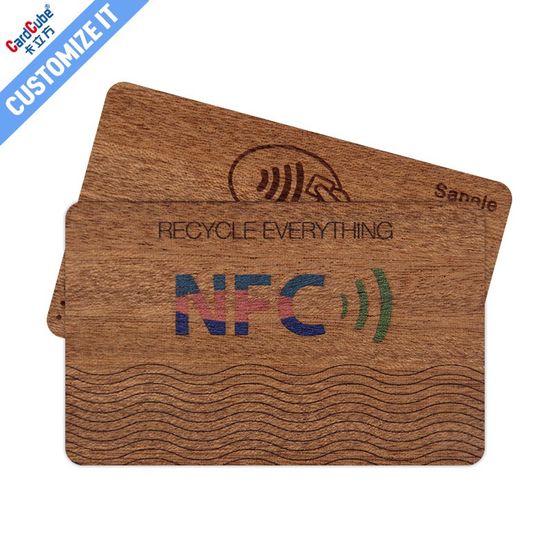


Selecting the appropriate wood species is critical for both aesthetics and durability. Basswood and Maple are ideal for detailed laser engraving due to their light color and fine grain. Walnut and Cherry offer a premium, high-end feel with rich natural tones but require higher-contrast engraving settings. Ensure the supplier uses sustainably sourced wood (FSC Certified) to align with global environmental standards and avoid customs issues related to endangered timber.
Standard thickness should range between 0.5mm to 1.5mm; cards thinner than 0.5mm are prone to warping, while those over 1.5mm may not fit in standard wallets. Demand ultra-fine laser cutting to ensure smooth edges without charring. For printing, UV offset printing is preferred over traditional ink to prevent bleeding into the wood fibers. Always verify that the wood is kiln-dried to a moisture content of 8-12% to prevent cracking or bending during cross-border transit.
For international trade, wood products must comply with ISPM 15 regulations regarding heat treatment if they are part of packaging, though thin business cards are often exempt. However, you must ensure the adhesives and finishes used are Formaldehyde-free and meet REACH or RoHS standards for chemical safety. If exporting to the US, ensure compliance with the Lacey Act by maintaining documentation of the wood's origin.
Request samples to test for grain direction; cards cut 'with the grain' are significantly stronger than those cut against it. Check for a water-resistant matte or gloss coating that protects the wood from oils and moisture. High-quality suppliers will offer flexible wood options (wood bonded to a thin substrate) which prevents the card from snapping when bent in a pocket.
The biggest risk is Customs Seizure due to lack of proper botanical documentation or phytosanitary certificates. Always confirm if your specific wood species requires a Phytosanitary Certificate for your country. Another risk is Environmental Damage during sea freight; ensure the supplier uses vacuum-sealed packaging with silica gel desiccant to protect against humidity and mold during the 30-45 day transit.
Focus on Tiered Pricing based on customization complexity rather than just volume. Ask for a 'Golden Sample' approval before mass production. Negotiate for OEM/ODM services that include custom packaging, as wood cards are often sold as premium gift items. Ensure the contract specifies a Defect Rate of less than 1%, with clear terms for replacements if cards arrive warped or split.
For small batches, Air Express (DHL/FedEx) is recommended to minimize the time wood is exposed to varying climates. For large orders, use FOB (Free On Board) terms to maintain control over your shipping costs. Always utilize Secure Payment services provided by professional platforms like Made-in-China.com to ensure funds are only released after the bill of lading is confirmed or the third-party inspection is passed.