Satisfies 1 requirement
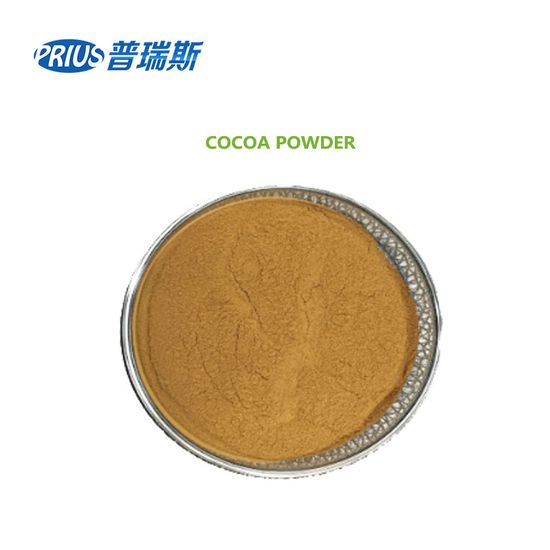
Wholesale Pure Food Grade Cocoa Powder Natural Cocoa Powder 25kg
US$9.00-35.00
1 kg(MOQ)

I have found results from6000+products and1000+suppliers aboutWholesale natural cocoa powder


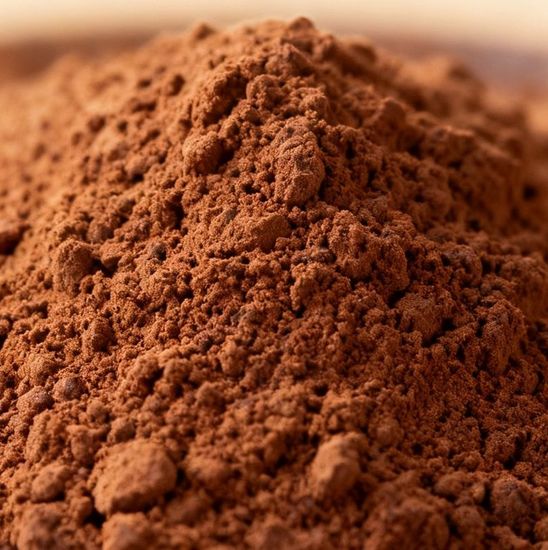


When evaluating natural cocoa powder, the most critical specification is the fat content, typically ranging from 10-12%. You must also verify the pH level, which for natural (non-alkalized) cocoa should be between 5.0 and 6.0. Additionally, ensure the fineness meets industry standards, usually requiring 99% passage through a 200-mesh screen to ensure smooth integration into food formulations.
To ensure product safety and legal entry into global markets, suppliers should hold HACCP and ISO 22000 certifications. For specific markets like the US, FDA registration is required, while the EU market demands compliance with EFSA standards regarding heavy metal limits, particularly Cadmium and Lead levels, which must not exceed regional thresholds.
Natural cocoa powder is extracted via the Broma process and retains a light brown color and a sharp, acidic chocolate flavor. Alkalized cocoa is treated with an alkaline solution to neutralize acidity, resulting in a darker color and milder taste. For B2B buyers in the baking industry, natural cocoa is preferred for recipes using baking soda as a leavening agent due to its high acidity.
High-quality natural cocoa powder should have a shelf life of 24 months if stored correctly. It must be kept in a cool, dry environment (temperature <20°C, humidity <60%) away from strong odors, as cocoa butter easily absorbs surrounding scents. Ensure the supplier uses multi-layer kraft paper bags with PE inner liners to prevent moisture ingress during transit.
The primary risks include adulteration (mixing with starch or husks) and microbiological contamination (Salmonella/Molds). To mitigate these, always request a Certificate of Analysis (COA) for every batch and utilize third-party pre-shipment inspections (such as SGS or Intertek). When sourcing via Made-in-China.com, prioritize Audited Suppliers who have undergone verified onsite inspections.
Cocoa is a commodity influenced by ICCO (International Cocoa Organization) market prices. Negotiate based on volume-tiered pricing; for example, a 20ft FCL (Full Container Load) typically yields a 10-15% discount compared to LCL orders. Discuss long-term contract pricing to hedge against market volatility, and aim for an MOQ of 1,000kg for customized packaging.
Ensure the shipping container is a dry van with moisture-absorbent poles to prevent 'container rain' during sea transit. For customs, ensure the HS Code (typically 180500) is correctly declared. Buyers should clarify Incoterms; FOB (Free On Board) is recommended for buyers with their own freight forwarders to better control costs, while CIF is suitable for those seeking a simplified process.
Use secure payment methods such as Letters of Credit (L/C) for large volumes or Escrow-based payment services provided by reputable B2B platforms. Avoid direct wire transfers to private accounts. Always verify that the beneficiary bank account name matches the company name on the business license and the Made-in-China.com supplier profile.