
Satisfies 1 requirement
Zcsl-Skusk Stainless Steel Compression Tube Fittings Bulkhead Union Straight Tube Fittings
US$0.10-0.50
100 Pieces(MOQ)

I have found results from80000+products and20000+suppliers aboutStraight union fittings


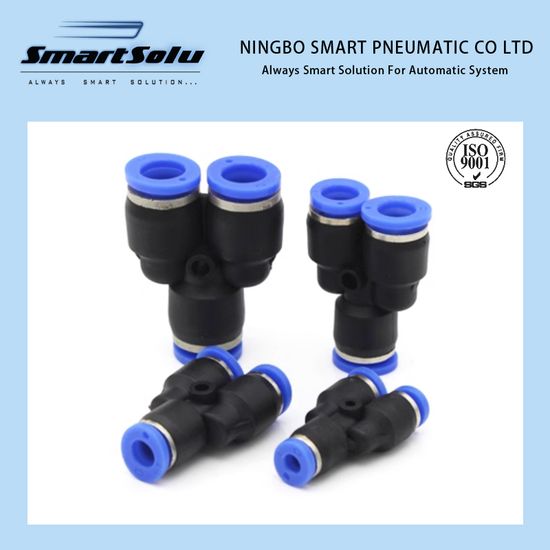


Selecting the right material is critical for durability and safety. Stainless Steel (304/316) is preferred for high-pressure and corrosive environments due to its superior oxidation resistance. For pneumatic or low-pressure water systems, Nickel-plated Brass offers a cost-effective balance of strength and corrosion resistance. Ensure the material grade matches your specific fluid type and temperature requirements to prevent premature failure or leakage.
Always request the Technical Data Sheet (TDS) from the supplier. For hydraulic applications, fittings must often withstand pressures exceeding 3000-6000 PSI, while pneumatic push-in fittings typically operate around 150-250 PSI. Verify that the O-ring material (e.g., NBR, Viton, or EPDM) is compatible with your operating temperature range, as extreme heat can cause seal degradation and pressure loss.
To ensure global compatibility and safety, prioritize suppliers who comply with ISO 9001:2015 for quality management. For thread specifications, confirm whether you need NPT (American), BSPT (British), or Metric standards to avoid cross-threading issues. If the fittings are for food or medical use, ensure they meet FDA or NSF/ANSI standards, while high-pressure gas systems may require CE/PED (Pressure Equipment Directive) certification.
Quality assurance should include a 100% air leakage test at the factory. Look for fittings with precision-machined threads and high-quality surface finishes (Ra < 0.8μm) to ensure a tight seal. For push-to-connect unions, check the claw design; stainless steel teeth provide a more secure grip on tubing than plastic alternatives, preventing accidental disconnection under vibration.
The primary risks include material substitution (e.g., using 201 stainless steel instead of 316) and dimensional inaccuracies. To mitigate this, use Made-in-China.com's Secured Trading services and insist on a Material Test Report (MTR). Conduct a third-party pre-shipment inspection to verify thread gauges and tolerances before the balance payment is made.
Focus on tiered pricing based on volume; for orders exceeding 5,000 units, you can typically negotiate a 10-20% discount. Discuss custom packaging and labeling (e.g., laser-etching your logo or part numbers) as part of the value-added service. Always clarify the lead time for mass production, as specialized CNC machining can take 20-30 days depending on the factory's current capacity.
Straight Union Fittings are dense and heavy, making sea freight (LCL/FCL) the most economical choice for large volumes. Ensure the supplier uses heavy-duty double-corrugated cartons and plastic inner bags to prevent moisture and oxidation during transit. For urgent samples, air express is viable, but ensure the weight is optimized to avoid excessive surcharges.
Utilize Trade Assurance through reputable platforms like Made-in-China.com to protect your payment until delivery is confirmed. Be aware of Anti-Dumping Duties (ADD) that some countries apply to specific steel or pipe fittings from China. Check your local Harmonized System (HS) Code (typically 7307.22 for stainless steel unions) to calculate accurate import duties and taxes beforehand.