Satisfies 1 requirement
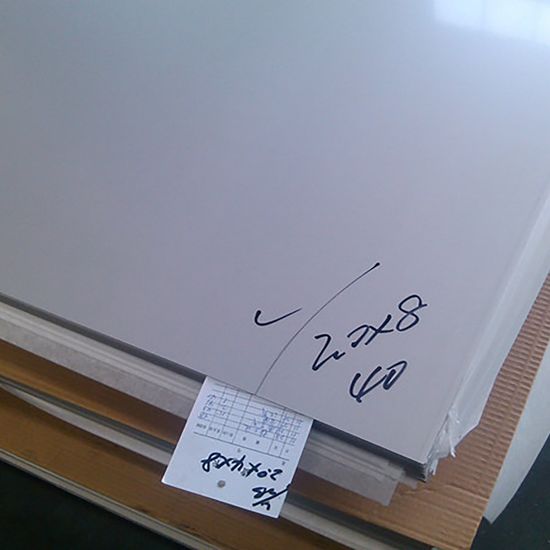
Prime Quality Cold Rolled Stainless Steel Sheet 304 Sheet Inox
US$1,400.00-2,200.00
1 Ton(MOQ)

I have found results from30000+products and10000+suppliers aboutStainless steel inox


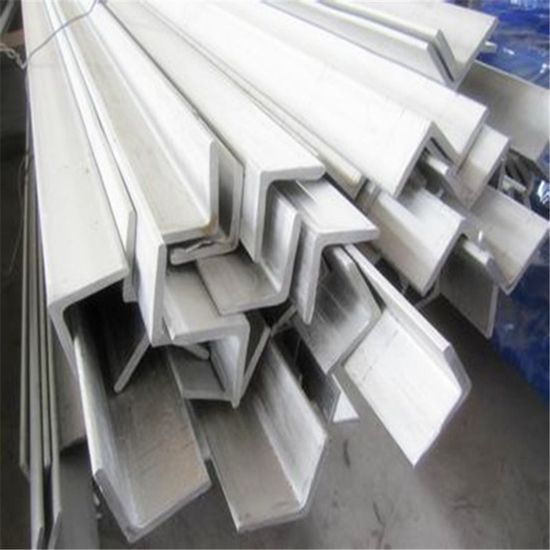


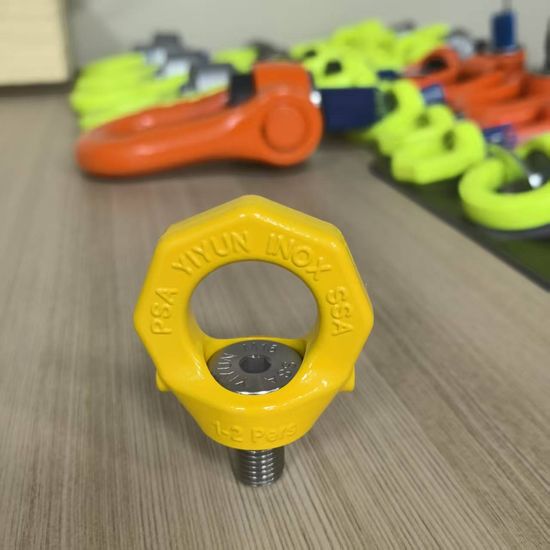
Selecting the right grade is critical for performance. For general construction and kitchenware, Grade 304 is the standard due to its excellent formability and corrosion resistance. For marine environments or chemical processing, Grade 316 is mandatory as it contains molybdenum, which provides superior resistance to chlorides and pitting. If the application involves high-temperature scales, consider Grade 310 or 321. Always verify the chemical composition report (MTC) to ensure the nickel and chromium levels meet international standards like ASTM or EN.
The surface finish impacts both aesthetics and corrosion resistance. 2B (Cold Rolled) is the most common industrial finish, featuring a smooth, slightly reflective surface. BA (Bright Annealed) is highly reflective and ideal for decorative trim. For architectural purposes, No. 4 (Brushed/Hairline) is preferred for its fingerprint resistance. In food and pharmaceutical industries, a Mirror Polish (No. 8) or Electropolished finish is required to prevent bacterial growth and ensure easy cleaning.
To ensure quality and safety, buyers must demand ISO 9001 certification from the manufacturer. For pressure-related applications (pipes/valves), PED (Pressure Equipment Directive) compliance is necessary for the EU market. If the steel is for food contact, it must meet FDA or LFGB standards. Always request a Mill Test Certificate (MTC) to EN 10204 3.1, which provides traceable data on the heat number, mechanical properties, and chemical analysis of the specific batch.
Buyers should focus on Yield Strength, Tensile Strength, and Elongation percentages. For structural inox, a high yield strength is vital. You should also request Hardness Tests (Rockwell or Brinell) and, for specific grades, Intergranular Corrosion Tests (ASTM A262). If purchasing in bulk, hiring a third-party inspector (like SGS or Intertek) to perform a PMI (Positive Material Identification) test at the factory is the most reliable way to prevent material substitution.
The biggest risk is material grade fraud, where lower-grade steel (e.g., 201) is polished to look like 304. To mitigate this, use Trade Messenger tools on Made-in-China.com to document all technical requirements and use Secured Trading Services for payment protection. Never rely solely on visual inspection; always insist on chemical reagent testing or spectrometer analysis before the final balance payment is released.
Stainless steel is often subject to Anti-Dumping (AD) and Countervailing Duties (CVD), especially in the US and EU. Before ordering, check the HS Code (typically starting with 7219 or 7220) against your country's customs database. Work with suppliers on Made-in-China.com who are experienced in providing Certificates of Origin (CO) and proper documentation to help navigate tariff barriers and ensure smooth customs clearance.
Stainless steel is heavy and prone to surface scratches or 'white rust' from sea moisture. Ensure the contract specifies seaworthy packaging, including waterproof paper wrapping, metal edge protectors, and wooden pallets/skids. For high-value coils or sheets, request container desiccant bags and specify FOB or CIF terms where the insurance coverage is clearly defined to protect against salt-air corrosion during long-haul maritime transport.
Price in the steel industry is highly volatile and tied to LME (London Metal Exchange) nickel prices. Instead of pushing for a fixed low price, negotiate a formula-based pricing model or lock in prices with a deposit during a market dip. Highlight your long-term procurement volume to secure 'VIP' status, which often grants you priority in production scheduling and better access to prime-quality overstock at discounted rates.