
Satisfies 1 requirement
OEM Factory Price High Quality Acid RTV Glue Acrylic Duct Silicone Sealant
US$1.55-1.85
1,200 Pieces(MOQ)

I have found results from10000+products and3000+suppliers aboutRtv silicone price


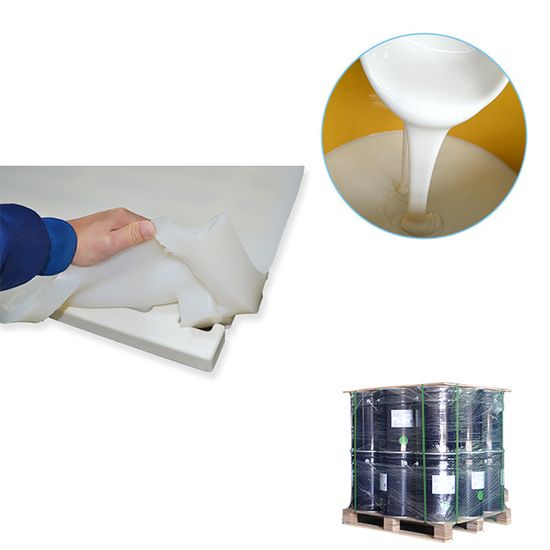


The price of RTV silicone is primarily driven by its chemical composition (Acetoxy vs. Neutral cure) and silicone content percentage. High-quality RTV silicone should have a high tensile strength (typically >1.5 MPa) and an elongation at break exceeding 300%. For industrial applications, ensure the product meets ISO 11600 standards. Buyers should also verify the Shore A Hardness rating, as specialized formulations for high-temperature resistance (up to 300°C) or electronic-grade insulation will command a premium price compared to general-purpose construction sealants.
Compliance is non-negotiable for chemical exports. Buyers must request a valid Material Safety Data Sheet (MSDS) and a Technical Data Sheet (TDS). For products intended for the US market, FDA 21 CFR 177.2600 compliance is necessary if there is food contact, while the EU market requires REACH and RoHS certification to ensure the absence of hazardous substances like lead or phthalates. Always confirm the shelf life, which should ideally be 9 to 12 months when stored in a cool, dry environment.
To optimize costs, buyers should analyze the price per gram or per ml rather than just the price per cartridge, as tube volumes can vary (e.g., 280ml vs. 300ml). Purchasing in bulk drums (200L) instead of individual cartridges can reduce packaging costs by 15-25%. Additionally, sourcing from manufacturers on Made-in-China.com who offer OEM/Private Labeling allows for brand integration, but buyers should balance this with the Minimum Order Quantity (MOQ), which typically ranges from 1,000 to 3,000 units for customized packaging.
RTV silicone is often classified as non-hazardous liquid or paste, but some formulations containing volatile solvents may be flagged during customs inspection. It is critical to provide a Certification for Safe Transport of Chemical Goods. Furthermore, silicone is sensitive to temperature extremes during transit; prolonged exposure to high heat in shipping containers can lead to premature polymerization (curing), rendering the stock unusable. Always negotiate for temperature-controlled storage or avoid shipping during peak summer months for long-haul routes.
When sourcing via Made-in-China.com, prioritize Audited Suppliers who have undergone third-party verification (e.g., SGS or Intertek). Use Secured Payment terms and insist on a Pre-shipment Inspection (PSI) to verify the net weight and curing speed of the batch. A common negotiation strategy is to request a 2-3% 'defect allowance' or a credit for future orders to cover potential issues like dried-out nozzles or damaged cartridges during sea freight.
Ensure the HS Code (typically 3214.10 or 3910.00) is correctly declared to avoid tariff penalties. Because RTV silicone is heavy, sea freight (LCL or FCL) is the most cost-effective method. Buyers should ensure that the palletization is robust, using shrink-wrap and corner protectors to prevent the heavy cartridges from crushing those at the bottom. For first-time imports, consult a customs broker to check for anti-dumping duties that some countries apply to specific chemical categories from China.