
Satisfies 1 requirement
Electric Butterfly Valve, Oil Industry Rotary Type DN100, Affordable Price with Electric Drive
US$60.00-110.00
1 Set(MOQ)

I have found results from200000+products and100000+suppliers aboutRotary valves price

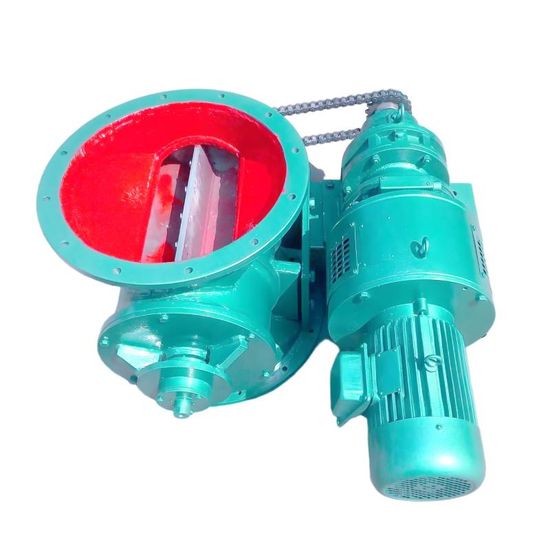


When comparing prices, you must look beyond the initial quote and evaluate material construction (e.g., Cast Iron vs. Stainless Steel 304/316), rotor type (open vs. closed end), and sealing technology. A lower price often indicates a lack of precision machining, which can lead to air leakage. Ensure the quote includes the motor efficiency class (IE3 preferred) and the displacement volume per revolution, as these directly impact operational costs and throughput.
The nature of the material being handled significantly dictates the price. Abrasive materials require valves with hardened internal coatings (like Tungsten Carbide) or replaceable tips, increasing the cost by 20-40%. For food-grade or pharmaceutical applications, prices are higher due to the need for USDA/FDA compliant finishes, quick-clean designs, and mirror-polished surfaces to prevent bacterial growth.
For international trade, ensure the supplier provides CE marking for machinery safety. If the valve is used in environments with explosive dust (like flour or chemicals), ATEX or IECEx certification is mandatory and will significantly increase the price due to explosion-proof motors and flame-quenched designs. Additionally, verify ISO 9001:2015 certification to ensure consistent manufacturing quality.
Focus on the Total Cost of Ownership (TCO) rather than just the purchase price. Investing in a valve with adjustable rotor tips can extend the lifespan by 3-5 years, reducing long-term maintenance costs. Furthermore, sourcing from Made-in-China.com allows you to access factory-direct pricing, which can be 30% lower than local distributors, provided you verify the supplier's Gold Member status and audit reports.
The primary risks include technical specification mismatch and shipping damage. Because rotary valves are heavy, improper crating can lead to shaft misalignment. Always insist on seaworthy plywood packaging and request a pre-shipment inspection (PSI) to verify that the flange dimensions and motor voltage (e.g., 380V/50Hz vs 460V/60Hz) match your local grid requirements.
Start by requesting a breakdown of the Bill of Materials (BOM). Negotiate based on volume tiers; for example, increasing an order from 5 to 10 units can often trigger a 10-15% discount. Mention that you are looking for a long-term strategic partner for your supply chain, and ask for spare parts kits (seals and bearings) to be included in the initial price to add value.
Use Secured Payment services provided by reputable platforms like Made-in-China.com to ensure your funds are only released after you confirm receipt and inspection. Avoid direct wire transfers to private accounts. For large orders, utilize a Letter of Credit (L/C) or a 30% deposit / 70% balance against B/L (Bill of Lading) structure to mitigate financial risk.
Due to the weight and density of rotary valves, Sea Freight (LCL or FCL) is the most cost-effective method. Ensure the supplier uses Incoterms 2020 clearly (FOB or CIF are standard). For urgent replacements, Air Freight is possible but expensive; in such cases, ensure the valve is crated without oil to comply with international air transport safety regulations regarding hazardous materials.