
Satisfies 1 requirement
Foldable Container Beach House - Corrosion-Resistant & Quick Installation Casa Prefabricadas Prefab Duplex House China Transportable House
US$1,099.00-1,699.00
6 Pieces(MOQ)

I have found results from8000+products and2000+suppliers aboutPrefab beach house
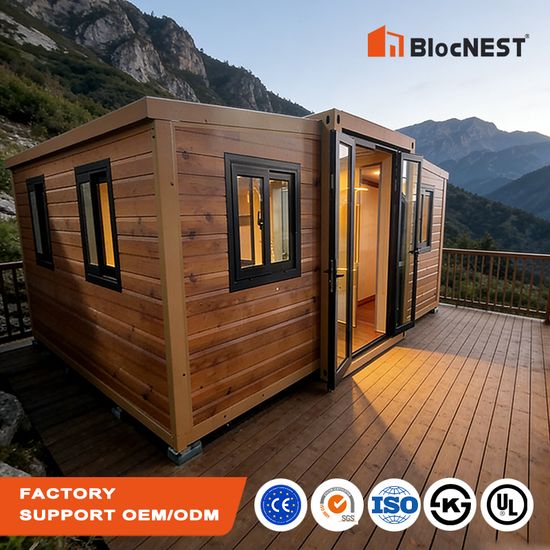


When sourcing a prefab beach house, the primary concern is corrosion resistance and wind load capacity. You must ensure the main structure uses hot-dip galvanized steel frames with a coating thickness of at least 80-100μm to prevent salt-spray rust. For exterior wall panels, prioritize Fiber Cement Board or Aluminum-Magnesium-Manganese alloy over standard wood, as these materials resist rot, termites, and moisture. Additionally, windows must be double-glazed tempered glass with hurricane-proof ratings (DP50 or higher) to withstand high-velocity winds.
Compliance is the most critical barrier in cross-border housing procurement. You must confirm the supplier can design according to local building codes, such as AS/NZS 1170 for Australia, IBC/IRC for the US, or Eurocodes for the EU. Request structural calculation reports signed by a certified engineer. Ensure all electrical and plumbing components carry recognized marks like UL, CE, or SAA to pass local building inspections upon arrival.
To maintain comfort and reduce cooling costs, specify High-Density Polyurethane (PU) foam or Rockwool insulation with a minimum thickness of 75mm-100mm for both walls and roofing. Request a Thermal Break aluminum frame system for windows to prevent heat transfer. For beach houses, a reflective roofing coating or a raised stilt foundation design is highly recommended to promote natural ventilation and protect against minor storm surges.
Most prefab beach houses are either Flat-pack (modular) or Expandable Container types. A professional supplier should provide a detailed 3D assembly manual, installation videos, and foundation drawings. For large-scale projects, verify if the supplier offers on-site engineering supervision or remote video guidance. Ensure the design includes pre-installed electrical conduits and plumbing to reduce on-site labor costs by up to 60-70%.
The biggest risks include non-compliance with local zoning laws and shipping damage. Always conduct a pre-shipment inspection (PSI) via a third party to check welding quality and waterproof sealing. To mitigate logistics risks, ensure the house is packed in SOC (Shipper Owned Containers) or reinforced steel frames to prevent deformation during sea transit. Always secure Marine Cargo Insurance covering 'All Risks' to protect your investment.
Use a staged payment structure: typically 30% deposit, 60% after production/inspection, and 10% after delivery/assembly. For high-value transactions, utilize Trade Assurance services on Made-in-China.com to protect your funds. When negotiating, focus on Total Landed Cost rather than just the FOB price, and ask for a 2-5 year structural warranty and a 1-year warranty on interior fittings.
Prefab houses are bulky; you must determine if the unit fits in a 40HC (High Cube) container or requires a Flat Rack/Open Top container, which significantly increases freight costs. Ensure the supplier provides a detailed Packing List and Certificate of Origin (e.g., Form E or CO) to potentially reduce import tariffs. Coordinate with a local customs broker early to confirm that 'Prefabricated Buildings' (HS Code 9406) are permitted for import in your specific region.