
Satisfies 1 requirement
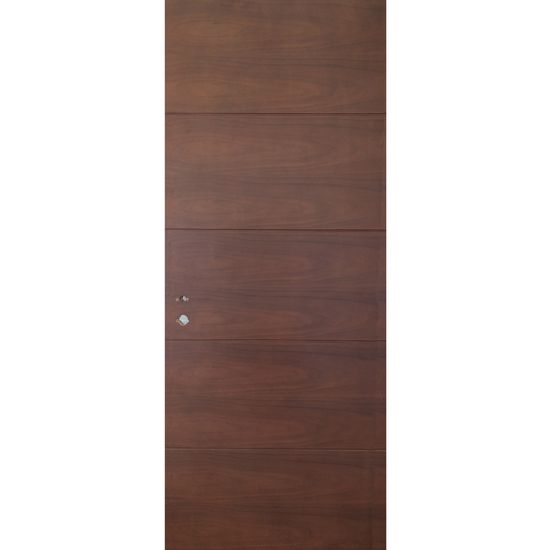
Kdsbuilding Factory Wholesale Popular Solid MDF Doors Interior Wooden Door
US$30.00-150.00
10 Square Meters(MOQ)

I have found results from80000+products and20000+suppliers aboutPopular wooden door




For high-humidity regions, prioritize Solid Wood Composite or Engineered Wood with a High-Density Fiberboard (HDF) skin, as these are more resistant to warping than 100% solid wood. Ensure the core uses kiln-dried timber with a moisture content controlled between 8% and 12%. For luxury markets, specify natural wood veneers (such as Oak, Walnut, or Teak) with a thickness of at least 0.6mm to allow for future refinishing.
Buyers in the US should look for UL 10C or NFPA 252 for fire-rated doors, while EU buyers must ensure CE Marking and compliance with EN 1634 standards. For environmental sustainability, prioritize suppliers with FSC (Forest Stewardship Council) or PEFC certification. Additionally, verify that the adhesives and paints used meet E1 or E0 formaldehyde emission standards to ensure indoor air quality.
Focus on the internal structure; a 'honeycomb' core is cost-effective for interior use, but a tubular chipboard or solid wood strip core offers superior sound insulation (STC rating of 30+ dB) and impact resistance. For hardware, ensure the door is pre-slotted for heavy-duty stainless steel hinges and check if the supplier provides 304-grade stainless steel locks and handles to prevent corrosion.
For high-traffic areas, PU (Polyurethane) painting offers excellent scratch resistance and waterproofing. Alternatively, Melamine or PVC heat-shrink films are ideal for budget-friendly projects as they are easy to clean and maintain. Ensure the supplier uses UV-curing technology for a more uniform finish and better color retention over time.
Wooden doors are heavy and sensitive to moisture. Insist on EPE foam edge protectors, plastic shrink wrap to prevent humidity absorption, and strong palletization with wooden crates. Request that the supplier includes desiccant silica gel packs inside the container. For large orders, use FCL (Full Container Load) to minimize handling risks associated with LCL (Less than Container Load).
Start by requesting a factory audit report or a video walkthrough of their production line. Negotiate based on Total Landed Cost, not just the EXW price. Ask for a tiered pricing structure (e.g., 200 units vs. 500 units) and clarify if the price includes OEM branding and customized packaging. Always confirm the lead time for mass production, which typically ranges from 25 to 45 days.
Utilize Secured Trading Services offered on platforms like Made-in-China.com to protect your payment until shipping documents are verified. Hire a third-party inspection agency (like SGS or Intertek) to perform a During Production Check (DUPRO) and a Final Random Inspection (FRI) to verify dimensions, moisture content, and finish quality before the final balance is paid.
Check for Anti-Dumping Duties (ADD) or Countervailing Duties (CVD) in your specific country regarding wooden bedroom furniture or doors from China. Ensure the supplier provides a Phytosanitary Certificate and a Certificate of Origin to facilitate smooth customs clearance and potentially benefit from preferential tariff rates under trade agreements.