
Satisfies 1 requirement
Low Shrinkage High Tenacity Polyester Core Spun Yarn for Baby
US$3.80
1,000 Pieces(MOQ)

I have found results from1000+products and300+suppliers aboutNe 50s/1 100% polyester spun yarn for we

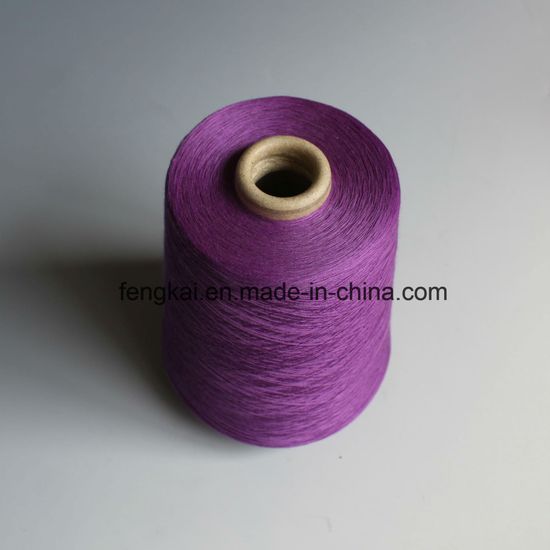


When sourcing Ne 50s/1 (Single 50 count) yarn, you must prioritize tensile strength (tenacity) and elongation to ensure it can withstand high-speed weaving looms. Look for a tenacity of at least 3.5 to 4.5 cN/dtex. Additionally, verify the twist per meter (TPM); for weaving, a higher twist is generally required to prevent fraying. Ensure the Uster CV% (Coefficient of Variation) is low (typically under 12%), as this indicates yarn evenness, which directly impacts the final fabric quality and reduces breakage during production.
To ensure suitability for weaving, check for low hairiness (S3 value) to prevent pilling and 'clinging' during the shedding process on the loom. The yarn should be waxed or silicone-treated if intended for high-speed knitting, but for weaving, focus on knotless (auto-coned) yarn. Request a Uster Statistics report from the supplier to compare the yarn quality against global benchmarks. Furthermore, confirm the color fastness if purchasing dyed yarn, aiming for a Grade 4-5 on the grey scale.
For international trade, the most critical certification is OEKO-TEX® Standard 100, which guarantees the yarn is free from harmful substances. If your target market is the EU, ensure compliance with REACH regulations. For recycled polyester yarn (rPET), a GRS (Global Recycled Standard) certificate is mandatory to verify the sustainable origin of the material. Always ask for an ISO 9001 certified manufacturer to ensure consistent batch-to-batch quality.
Ne 50s is a relatively fine yarn count. It is ideal for producing lightweight, high-density fabrics such as poplin, voile, or high-quality shirting. Because it is a 100% polyester spun yarn, the resulting fabric will offer excellent wrinkle resistance, high durability, and quick-drying properties. However, because it is a single yarn (1 ply), ensure the supplier uses high-quality virgin chips to avoid brittleness in such a fine count.
Always request a pre-shipment sample (PSS) from the actual production lot, not just a generic showroom sample. Utilize third-party inspection services (like SGS or Intertek) to conduct a random container loading supervision and yarn count verification. On Made-in-China.com, prioritize 'Audited Suppliers' who have undergone on-site factory inspections to ensure their production capacity matches your order volume.
Polyester yarn prices are highly sensitive to raw material (PTA and MEG) fluctuations and oil prices. Negotiate based on a formula-based pricing model if you are placing long-term contracts. For MOQ (Minimum Order Quantity), while standard is often 1 ton, you can negotiate a smaller trial order by aligning your color requirements with the factory's existing production schedule to save on machine cleaning costs.
Yarn is bulky and sensitive to moisture. Ensure the supplier uses heavy-duty plastic inner lining and corrugated export-grade cartons or pallets with shrink wrap to prevent dampness and 'mildew' during sea transit. For shipping to specific regions, compare FOB vs. CIF terms; for yarn, FOB is often preferred by experienced buyers to maintain control over freight costs and avoid hidden destination charges.
Use secured payment methods such as Letters of Credit (L/C) for large volumes or Escrow-based services provided by reputable B2B platforms. On Made-in-China.com, look for the Secured Trading Service to protect your payment until the goods are shipped and the Bill of Lading is provided. Avoid making full 100% T/T payments upfront; a standard 30% deposit and 70% against the copy of B/L is the industry norm.