
Satisfies 1 requirement
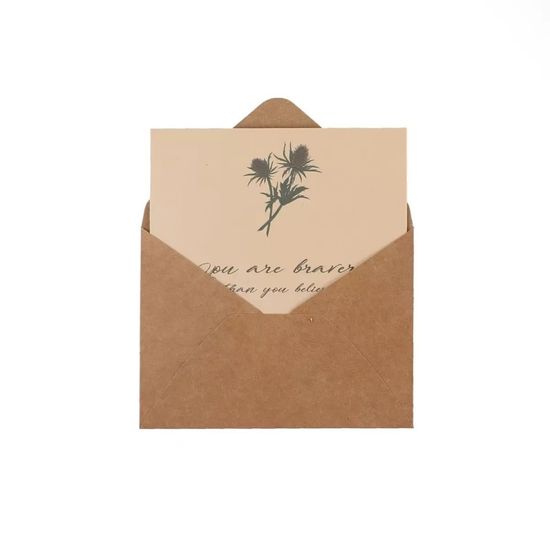
Stationery Set Hot Sale Cheap Activity DIY Party Greeting Christmas Happy New Year Holiday Birthday Gift Card with Holder
US$3.00-3.50
5,000 Sets(MOQ)

I have found results from2000+products and1000+suppliers aboutHappy birthday card




Buyers should prioritize paper weight (GSM); a standard high-quality card should be between 250gsm to 350gsm to ensure a premium feel and durability. Additionally, consider the finish options such as matte, glossy, or uncoated (offset) paper, which affects writability. For eco-conscious markets, sourcing FSC-certified (Forest Stewardship Council) recycled paper is essential for compliance and brand positioning.
To differentiate products, look for suppliers offering CMYK offset printing for color accuracy and specialized finishes like foil stamping (gold/silver), embossing/debossing, and UV spot coating. For high-end markets, laser-cutting technology for intricate 3D pop-up designs is highly sought after. Ensure the supplier uses eco-friendly soy-based inks to meet international safety standards.
For cards intended for children or sold in regulated markets, verify compliance with EN71 (Europe) or ASTM F963 (USA), especially if the cards include small parts, glitter, or electronic components (music chips). If the card includes a battery-powered music module, ensure the supplier provides MSDS (Material Safety Data Sheet) and UN38.3 certification for safe air and sea transport.
Standard wholesale orders usually require each card to be paired with a matching envelope (typically 100-120gsm) and protected by a cellophane or compostable PLA sleeve. For retail-ready goods, request barcoding (EAN/UPC) on the back of the card or sleeve and specify inner box quantities to prevent bending during transit.
When sourcing from platforms like Made-in-China.com, ensure the supplier has the right to export the designs or provides OEM/ODM services where you provide the artwork. Always sign a Non-Disclosure Agreement (NDA) before sharing original designs and verify that the supplier does not use copyrighted characters (e.g., Disney) without a valid licensing agreement.
Greeting cards have low unit costs but high setup fees for specialized finishes. Negotiate a lower MOQ for standard designs while offering a higher volume for custom prints to offset plate-making costs. Ask for tiered pricing (e.g., 1,000 vs. 5,000 units) and request that sample costs be credited toward the final bulk order payment.
Paper is heavy and sensitive to moisture. Ensure the supplier uses heavy-duty corrugated master cartons with moisture-proof plastic liners. For large volumes, Sea Freight (LCL/FCL) is most economical, but for seasonal peaks (like birthday card replenishment), Air Freight may be necessary. Always confirm the Incoterms (e.g., FOB or DAP) to clarify who handles customs clearance and local duties.
Utilize Secured Trading Services provided by Made-in-China.com to ensure payments are only released upon proof of shipment. Conduct a factory audit or request a third-party inspection (like SGS or Intertek) before the final balance is paid to verify that the print quality and paper thickness match the approved pre-production sample.