
Satisfies 1 requirement
Free Sample Hot Selling High Quality Nutrients Supplement PA/DHA Supplement Refined Deep Sea Fish Oil
US$5.00-20.00
1 kg(MOQ)

I have found results from10000+products and3000+suppliers aboutFish oil refined price


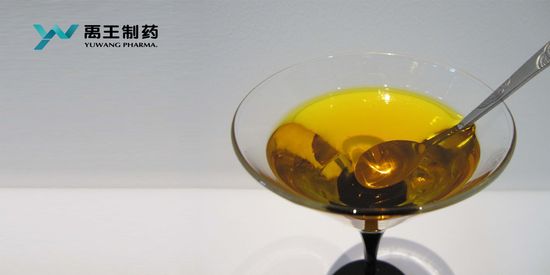

The price of refined fish oil is primarily determined by its EPA (Eicosapentaenoic Acid) and DHA (Docosahexaenoic Acid) concentration. Standard refined oils usually contain 18% EPA and 12% DHA, while high-potency concentrates (up to 90%) command significantly higher prices. Additionally, the Total Oxidation Value (TOTOX), which measures freshness, must be below 26 to meet international standards. Lower TOTOX levels indicate higher quality and better shelf stability, justifying a premium price.
Buyers must ensure the supplier adheres to GOED (Global Organization for EPA and DHA Omega-3) voluntary monographs, which set the strictest global limits for contaminants. For market entry, verify HACCP, ISO 22000, and GMP (Good Manufacturing Practice) certifications. If the product is for human consumption, IFOS (International Fish Oil Standards) 5-star ratings are a major competitive advantage. For environmental compliance, look for 'Friend of the Sea' or MSC (Marine Stewardship Council) certifications to ensure sustainable sourcing.
Refining involves molecular distillation to remove heavy metals (like mercury and lead), PCBs, and dioxins. A high-quality refining process ensures the oil is deodorized and decolorized, resulting in a neutral taste and a clear, pale yellow appearance. This is critical for applications in softgel encapsulation, functional foods, and infant formula, where sensory attributes and purity are paramount.
Refined fish oil is highly susceptible to oxidation. Specifications should mandate nitrogen blanketing (nitrogen flushing) in all containers to displace oxygen. The oil should be stored in epoxy-lined steel drums or IBC tanks at temperatures below 25°C, away from direct sunlight. Buyers should request a Certificate of Analysis (COA) for every batch to confirm acid value, peroxide value, and heavy metal limits before shipment.
To prevent oxidation during transit, specify the use of refrigerated containers (Reefers) if the transit time exceeds 21 days or passes through tropical zones. Ensure the supplier adds natural antioxidants (like Mixed Tocopherols) to stabilize the oil. Always use Made-in-China.com's inspection services to verify that the seals and nitrogen pressure are intact before the vessel departs.
Fish oil is a commodity influenced by fishing quotas (e.g., Peruvian Anchovy seasons). Negotiate long-term supply contracts to hedge against seasonal price spikes. For bulk orders exceeding 5 metric tons, request a tiered pricing structure based on EPA/DHA purity levels. Mentioning your intent to conduct third-party lab testing (e.g., SGS or Eurofins) often encourages suppliers to provide their most competitive and honest pricing for high-spec batches.
Utilize Secured Trading services on Made-in-China.com to ensure payments are only released upon confirmation of shipping documents and quality compliance. For first-time orders, use a Letter of Credit (L/C) or a 30% deposit / 70% balance against BL (Bill of Lading) copy structure. Never wire full payments to private accounts; always ensure the bank account name matches the registered company name on the business license.
Verify the HS Code (typically 150420) for fish oil in your country to determine import duties. Ensure the supplier provides a Health Certificate and a Certificate of Origin, which are mandatory for biological products in most regions (like the EU or USA). Failure to provide these can lead to customs seizure or expensive quarantine delays.