
Satisfies 1 requirement
Excavator with Breaker Hammer 12 Ton for Building Demolition Concrete Crushing Work
US$8,000.00-15,000.00
1 Set(MOQ)

I have found results from100000+products and50000+suppliers aboutDemolition excavator


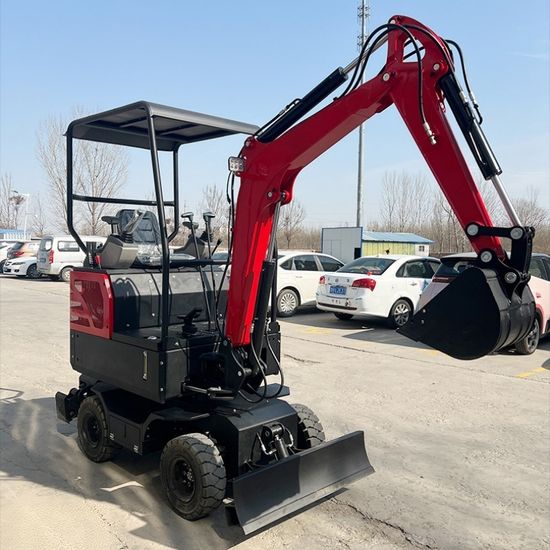

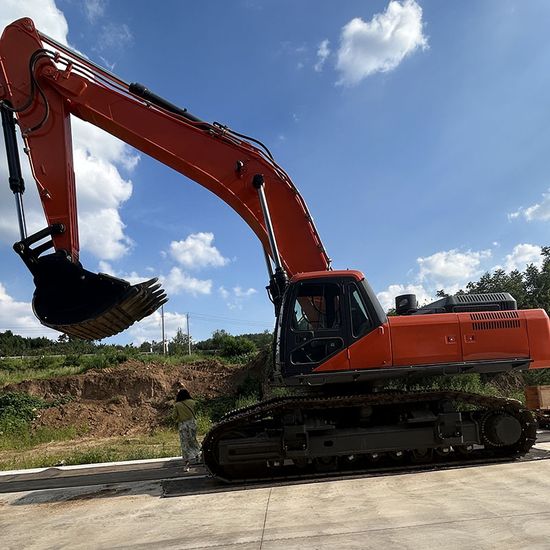


When sourcing a demolition excavator, the most critical factor is the High-Reach Boom length, which determines the maximum working height. You must ensure the Operating Weight is sufficient to provide stability when the arm is fully extended. Additionally, look for Reinforced Undercarriages and Heavy-Duty Cylinders that can withstand the constant vibration and falling debris typical of demolition sites. For hydraulic efficiency, prioritize models with High-Flow Auxiliary Hydraulics to power attachments like shears, crushers, and breakers.
Safety is paramount in demolition. Ensure the machine is equipped with FOPS (Falling Object Protective Structure) and ROPS (Roll-Over Protective Structure) Level II certification. For the European market, a CE Marking is mandatory, while North American buyers should verify compliance with ANSI/ITSDF standards. Furthermore, check for Load Moment Indicators (LMI) and Working Range Monitoring Systems to prevent tipping during high-reach operations.
A professional demolition excavator must have Full Cab Guarding (POG) and Cylinder Guards to prevent damage from falling rebar and concrete. The Hydraulic Hoses should be shielded or routed internally within the boom. Check if the supplier uses High-Tensile Steel (e.g., Hardox or Q460) for the boom and arm construction. Dust Suppression Systems, such as integrated water spray nozzles at the arm tip, are also essential for environmental compliance and operator health.
Demolition excavators are versatile; they are used for High-Rise Dismantling, Industrial Plant Decommissioning, and Foundation Removal. To maximize ROI, ensure the machine features a Quick-Hitch System for rapid switching between Hydraulic Shears, Concrete Pulverizers, and Grapples. For urban projects, look for Low-Noise Engines and Tier 4 Final/Stage V emission standards to meet local environmental regulations.
Always request a Pre-Shipment Inspection (PSI) conducted by a third-party agency like SGS or TÜV. For heavy machinery, ask the supplier to provide a Video of the Load Test, showing the excavator performing full-range movements and hydraulic pressure tests. On Made-in-China.com, prioritize Audited Suppliers who have undergone on-site factory verifications to ensure their manufacturing capacity matches their claims.
Focus your negotiation on the Warranty Terms for Core Components (Engine, Main Pump, and Valve) rather than just the unit price. Aim for a 12 to 24-month warranty. Additionally, negotiate for a Spare Parts Package (filters, seals, and wear plates) to be included in the initial shipment, as sourcing these locally can be expensive and cause downtime.
Due to the size and weight, demolition excavators are typically shipped via RO-RO (Roll-on/Roll-off) or Breakbulk shipping. If the machine is disassembled, it may fit into 40ft Flat Rack containers. Ensure the contract specifies Anti-Corrosion Wax Coating for sea transit and that the supplier provides a Detailed Packing List for all disassembled components to facilitate easy reassembly at the destination.
Use Secured Payment Terms such as a Letter of Credit (L/C) or escrow-based services like Star Direct on Made-in-China.com. Avoid full upfront payments; a standard structure is 30% deposit and 70% against the Bill of Lading (B/L) after the third-party inspection report is approved. This protects your capital until the goods are confirmed to be in the hands of the carrier.