
Satisfies 1 requirement
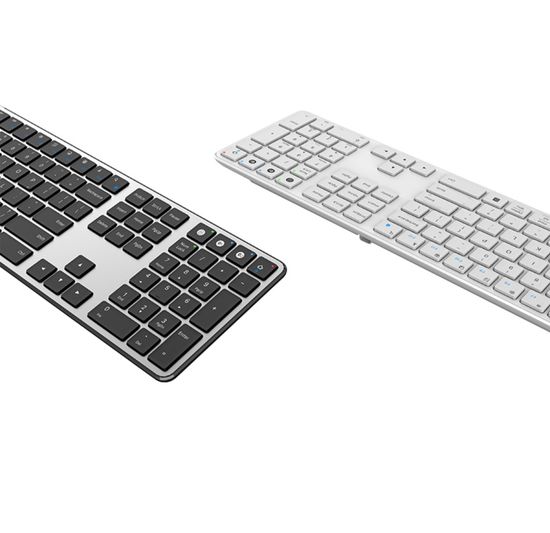
Precision Customized Laptop Aluminum Keyboard CNC Machining Aluminum Stainless Steel Keyboard
US$0.50-10.00
10 Pieces(MOQ)

I have found results from80000+products and20000+suppliers aboutChina oem/odm keyboard




Buyers must prioritize Switch Type (Mechanical, Membrane, or Scissor-switch) as it defines the tactile feedback and lifespan, typically rated between 20 million to 100 million keystrokes. For mechanical keyboards, specify the Switch Brand (e.g., Cherry MX, Gateron, or proprietary switches). Ensure the Keycap Material is PBT for durability and oil resistance rather than standard ABS. Additionally, verify N-Key Rollover (NKRO) capabilities for gaming models and Polling Rates of 1000Hz for low-latency performance.
For global distribution, keyboards must adhere to CE (Europe), FCC (USA), and RoHS (Restriction of Hazardous Substances) standards to ensure environmental safety. If the keyboard is wireless, it must pass SRRC (China), TELEC (Japan), or BQB (Bluetooth SIG) certifications. Always request official lab test reports rather than just digital certificates to verify the authenticity of the compliance.
Effective ODM branding involves Laser Engraving or Double-shot Injection for keycap legends to prevent fading. Discuss PCB Customization if you require specific RGB lighting patterns or Programmable Macro Software. For the exterior, options include Anodized Aluminum Frames, custom Silk-screened Logos, and bespoke Braided Cable designs. Ensure the supplier can provide UI/UX design for the driver software to align with your brand identity.
Perform a Flex Test by applying pressure to the center to check for chassis rigidity; high-quality builds use Internal Steel or Aluminum Plates. Check for Stabilizer Lubrication to ensure large keys like the Spacebar don't rattle. Verify the Soldering Quality on the PCB to prevent cold joints, and ensure Hot-swappable Sockets are securely mounted if that feature is requested.
The most common risk is Quality Inconsistency between the golden sample and mass production. Mitigate this by using Third-party Inspection Services (like V-Trust or QIMA) to conduct a During Production Check (DUPRO) and a Final Random Inspection (FRI). Another risk is Intellectual Property (IP) Infringement regarding patented switch designs; ensure your supplier has the Right to Manufacture and provides an Indemnification Clause in the contract.
Standard MOQs for custom keyboards usually range from 500 to 1,000 units. To lower costs, suggest a Tiered Pricing Model where the unit price drops as volume increases. Negotiate Payment Terms such as 30% deposit and 70% balance after inspection but before shipment. For long-term partnerships, ask for a 2% Spare Parts Allowance (extra switches, keycaps, or cables) to handle RMAs locally without shipping units back to China.
For high-value mechanical keyboards, Sea Freight (LCL or FCL) is the most cost-effective for bulk orders, while Air Freight is suitable for urgent samples or high-end limited editions. Ensure the packaging passes the ISTA 1A Drop Test to prevent damage to delicate mechanical switches during transit. When sourcing via Made-in-China.com, utilize their Secured Trading Services to protect your payment until the goods are dispatched.
Clearly define the Keyboard Layout (ANSI vs. ISO) and specific language legends (e.g., QWERTY, AZERTY, QWERTZ). For small batches of localized layouts, suggest UV Printing on blank keycaps, but for large orders, insist on Custom Molded Keycaps for a professional finish. Always provide the supplier with Vector Files (.AI or .EPS) of the specific font and layout required.