
Satisfies 1 requirement
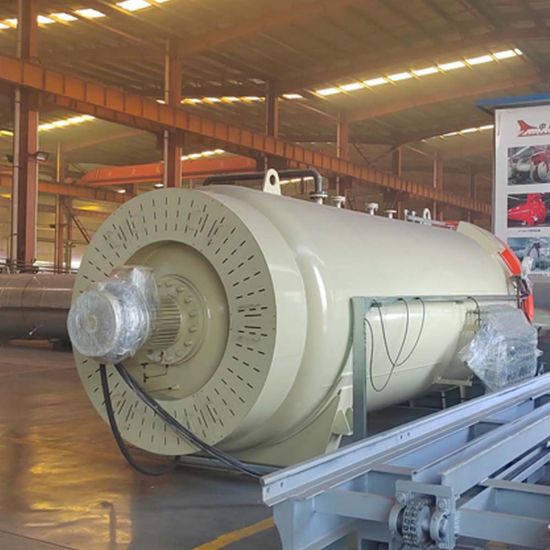
1500X7500mm CE Approved Carbon Fiber Treatment Autoclave (SN-CGF1575)
US$35,000.00-45,000.00
1 Set(MOQ)

I have found results from10000+products and4000+suppliers aboutCarbon fiber autoclave




When evaluating an autoclave, the most critical factors are temperature uniformity and pressure control precision. You should ensure the equipment supports a working temperature of at least 250°C and a pressure range of 1.0-1.5 MPa for standard aerospace or automotive grade carbon fiber parts. Look for PLC-based control systems (like Siemens or Allen-Bradley) that allow for multi-stage heating and cooling ramps, as precise thermal cycles are essential to prevent resin voids and structural defects.
Since an autoclave is a pressure vessel, it must adhere to strict safety codes. For the US market, ASME Section VIII Division 1 certification is mandatory. For the European market, PED 2014/68/EU (CE marking) is required. Additionally, for aerospace applications, the equipment should facilitate compliance with NADCAP (National Aerospace and Defense Contractors Accreditation Program) standards, specifically regarding AMS2750F pyrometry specifications for temperature sensors.
The vacuum system is vital for removing air and volatiles during the curing process. You should prioritize suppliers offering multi-port vacuum manifolds (e.g., 10 to 40 ports depending on size) with individual vacuum transducers for each line. This allows for real-time leak detection and ensures that each part in a large batch maintains a vacuum level of at least -0.098 MPa, which is critical for achieving low-porosity composite structures.
For B2B buyers, electric heating is common for smaller units due to its precision, but indirect gas-fired heating or thermal oil heat exchangers are often more economically feasible for large-diameter autoclaves (over 3 meters). Ensure the unit features a high-velocity circulation fan with a water-cooled motor shaft to guarantee a temperature uniformity of ±2°C throughout the entire working volume.
To secure your investment, always utilize Trade Assurance services provided by reputable platforms like Made-in-China.com. Conduct a factory audit or hire a third-party inspection firm (like SGS or TÜV) to perform a Pre-Shipment Inspection (PSI). This inspection should include a hydrostatic pressure test and a functional trial run of the control software to ensure the machine meets all agreed-upon specifications before final payment.
Given the size and weight of an autoclave, FR (Flat Rack) or Breakbulk shipping is often required. Negotiate for CIF (Cost, Insurance, and Freight) terms if you want the supplier to handle the complex logistics, but ensure the insurance policy covers 110% of the cargo value. Furthermore, insist on a contract clause that includes on-site installation guidance and commissioning by the supplier’s engineers, as well as operator training to ensure safe usage.
Avoid making full payments upfront. A standard professional structure is 30% deposit, 60% after successful factory inspection, and 10% as a retention bond after installation. Always verify the supplier's business license and export qualifications on Made-in-China.com to ensure they are a verified manufacturer rather than a middleman, which ensures better after-sales technical support and spare parts availability.